Adil Khan
Commercial Interior
22B& 22C, Level -03, South Court, Jamuna Future Park, Dhaka -1229
28 days
975 sq.ft
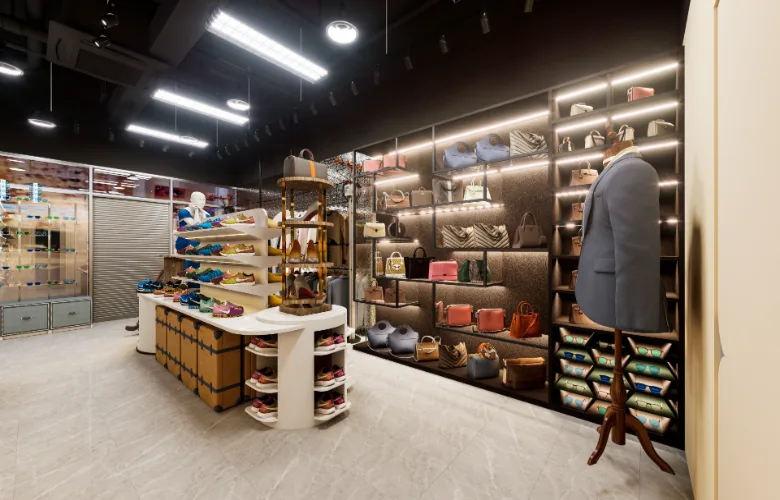
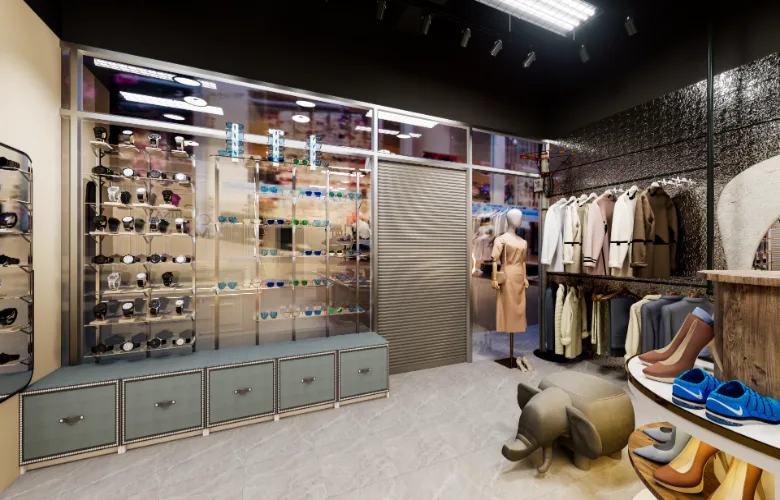
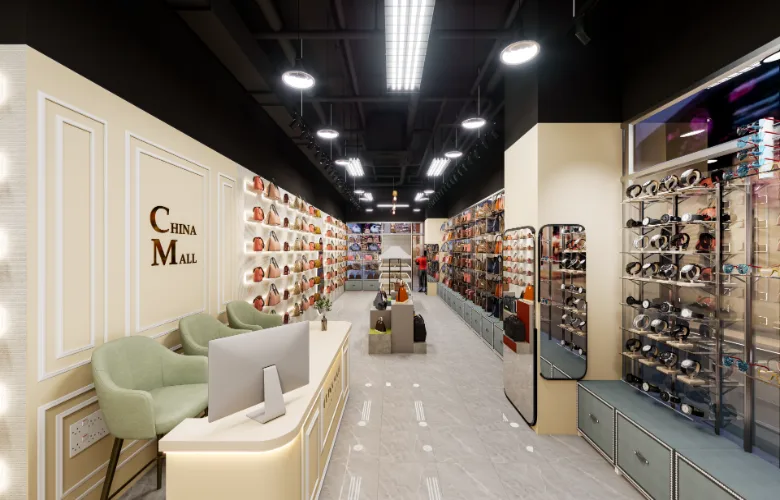
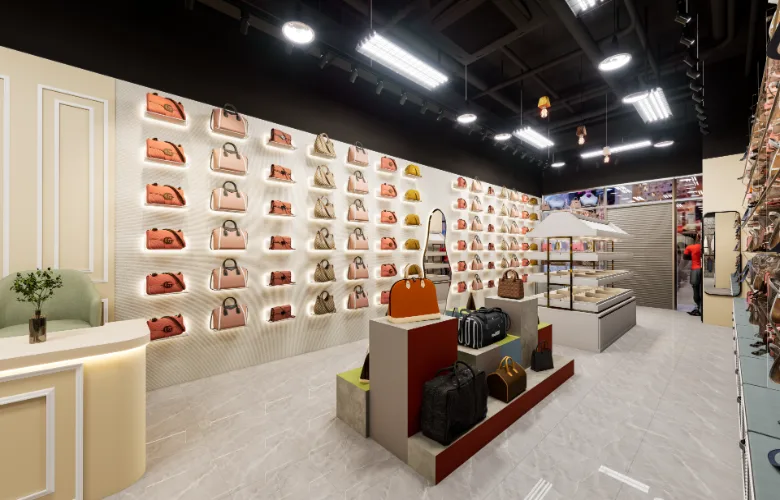
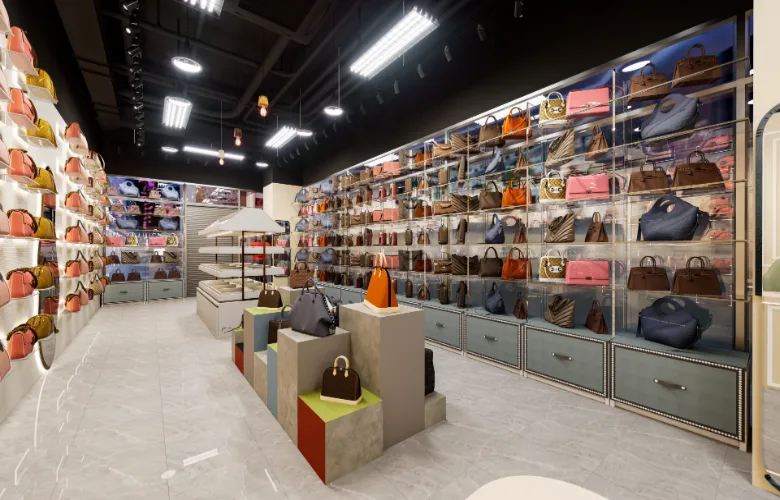
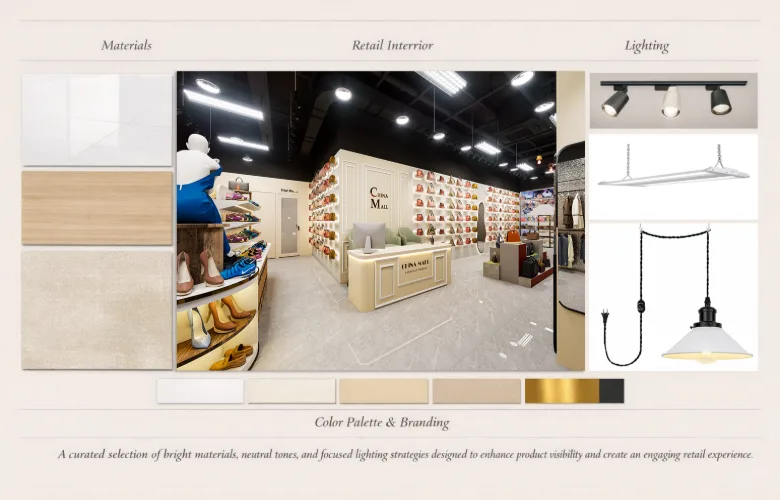
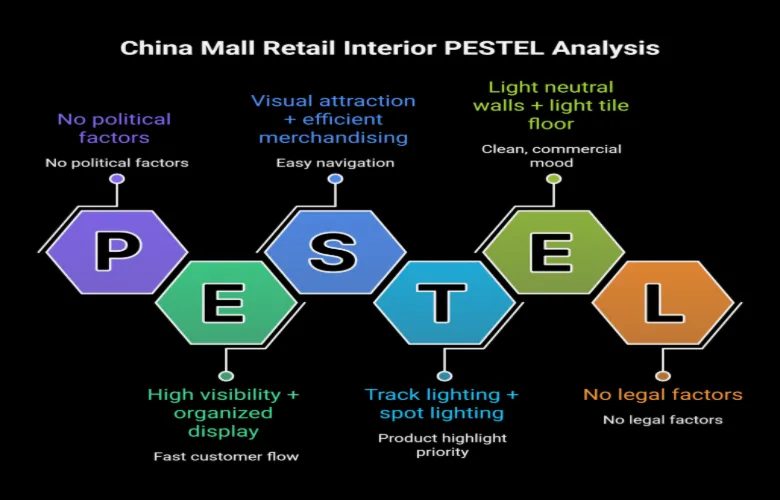
Retail interior for Adil Khan, Jamuna Future Park 975 sq.ft Units 22B & 22C, Level -03. This project was completed in 28 days. It focused on creating an environment for a high density of retail spaces which didn’t compromise clarity or comfort. The goal was to create a visually appealing shopping environment that made the merchandise the main point of interest. All aspects of the interior design were created to ensure every aspect of the design supported the primary objective of product visibility and customer navigation.
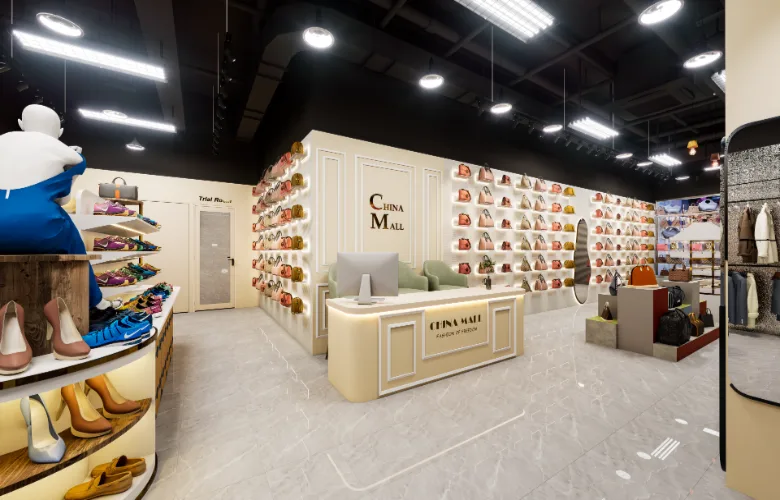
This wasn’t about too little content there was too much. The client had a large number of products they wanted to showcase, and we had to create a shopping environment that could show all these products without overwhelming the shopper. We had to find ways to organize so many products.
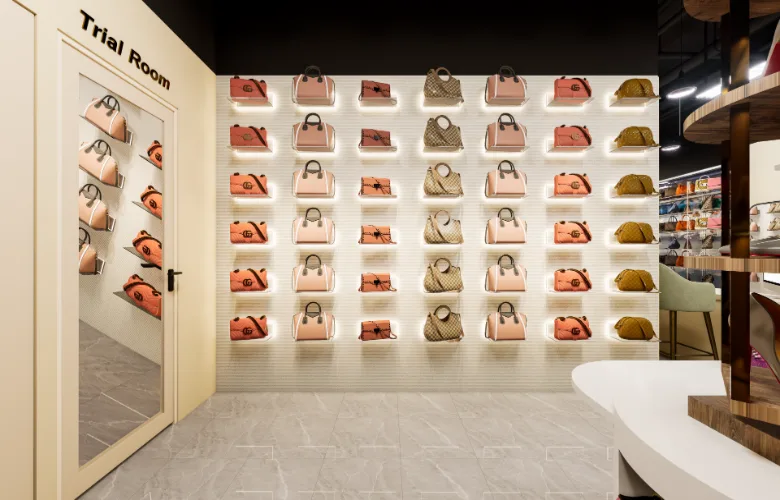
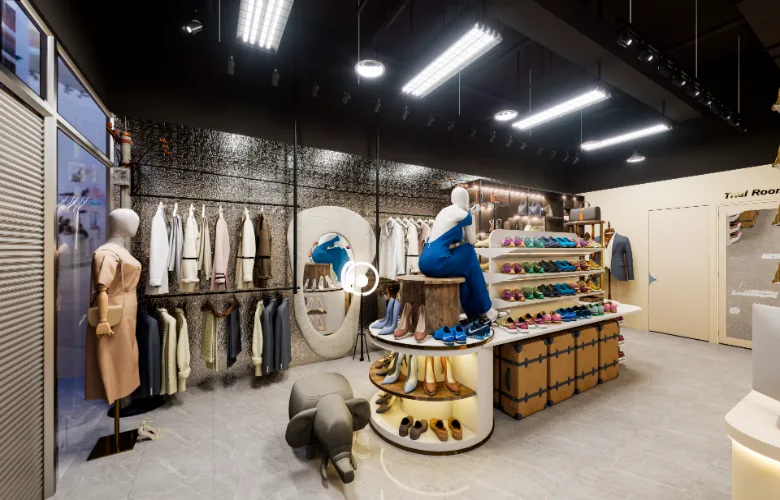
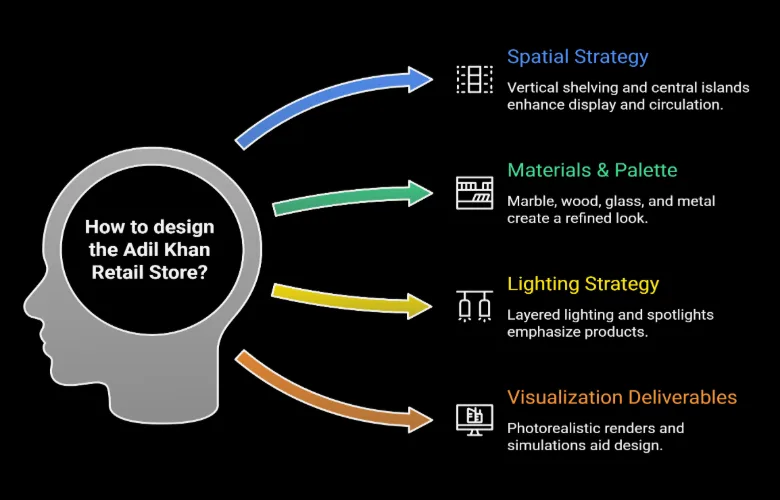
We started by using shelving logic. Display walls were created vertically to allow more floor space for shoppers and the center island was sized to be small enough not to block view lines. We did not treat each product equally; we created a hierarchical structure in the space where high-impact products are displayed on feature walls, volume products are displayed on lower level shelving, and mannequins were used to demonstrate style options.
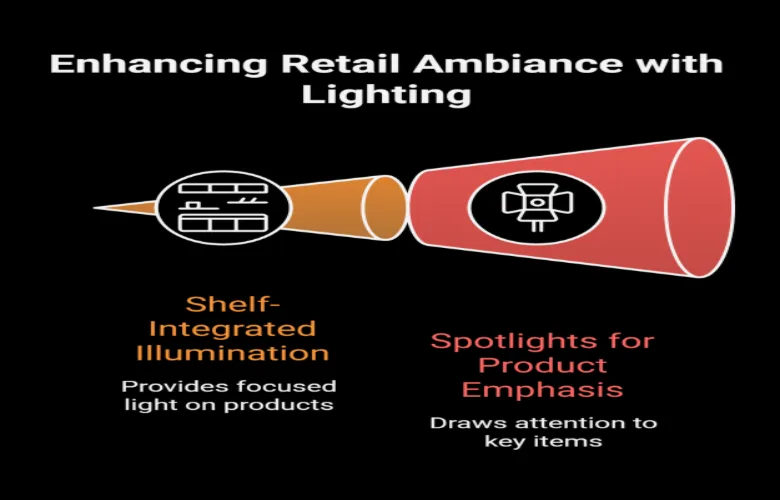
Lighting was also very important. Since we have very limited natural light, artificial lighting was used to provide brightness AND direction. Lighting in the form of integrated shelf lighting and spotlights draws the shopper’s eye to specific areas of the store, directing them gently throughout the store.
The final retail environment is organized well, yet flexible. Shoppers can shop easily from one area to another and at the same time, the organization of the space has subtlely directed the shopper’s eye – reducing decision fatigue and making the overall shopping experience better.
Design details:
Space planning:
The space is arranged around a central circulation route, which enables shoppers to travel through different product categories seamlessly. Bulk product storage occurs along perimeter walls while centrally located fixtures serve as focal points. Trial rooms are positioned near the back of the store to preserve shopper privacy while still supporting browsing.
Materials and finishes:
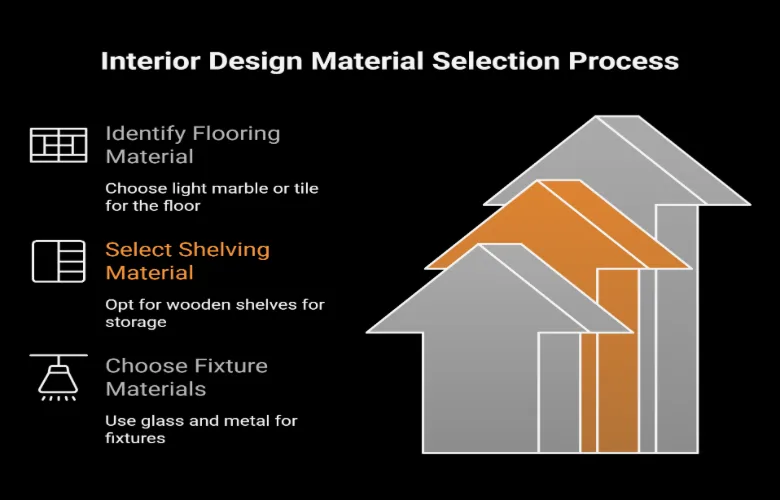
Polished tile and/or marble flooring reflects existing lighting to produce brightness. Wood shelving adds warmth and contrasting texture to the lighter-toned base. Glass and metal components are incorporated into display fixtures to achieve a modern/contemporary retail aesthetic.
Lighting/atmosphere:
An entirely artificial lighting system provides consistent brightness levels throughout the store. General lighting comes from recessed ceiling fixtures while shelf lighting and spotlights call attention to key products. The temperature of the lighting is balanced so that colors will be presented accurately without glare.
Color/textures:
The interior features a restrained color scheme beige, cream, light stone as a neutral background for colored merchandise to compete for attention. Smooth reflective surfaces are offset by soft textiles found in seating and decorative accessories.
Furniture/joinery:
Units of custom shelving have been engineered for flexibility able to accommodate varying size products. Tiered central display tables and pedestals enhance visibility. Seating/counters are situated so as to facilitate both service interactions and short-term shopper engagement without congestion.
Visualization/experience:
Design development occurred through photorealistic renderings of the space focusing on product presentation, lighting behavior and shopper movement. These rendered images enabled the client to assess how products would look under actual viewing conditions, resulting in accurate decisions regarding shelving height, lighting placement and circulation. As such, the project was executed efficiently with minimal site revisions.
Find quick answers about our interior design, architecture, construction, and 3D visualization services in Dhaka.
Talk directly with our team we respond within 1 hour during office hours.
A retail interior should balance product display, customer movement, storage, lighting, accessibility, and the overall shopping experience. The layout needs to make products easy to discover while keeping circulation clear and comfortable.
A clear display hierarchy can separate products into feature displays, secondary shelving, and supporting areas. Vertical shelving, appropriate spacing, and carefully positioned central displays can increase product capacity while keeping the store visually organized.
Customer circulation affects how easily shoppers move through the store and discover different products. Clear pathways, unobstructed sightlines, and strategically positioned displays can guide movement naturally without making the space feel restrictive.
Display shelving should consider product size, visibility, customer reach, available floor space, and the overall shopping journey. Flexible and tiered shelving can accommodate different products while keeping important merchandise at appropriate viewing levels.
Retail lighting should provide consistent general illumination while drawing attention to important products and display areas. Recessed lighting, shelf lighting, and directional spotlights can work together to improve visibility and create clear visual focal points.
Yes. Modular shelving, movable display units, adjustable fixtures, and adaptable layouts can make it easier to change product arrangements according to new collections, seasonal campaigns, or changing business requirements without redesigning the entire store.
Trial rooms should be positioned where customers can find them easily while maintaining privacy and avoiding disruption to the main circulation route. Their placement should also work with surrounding displays, storage, and service areas to keep the overall layout efficient.
Materials and colors should create an attractive environment without competing with the merchandise. Neutral backgrounds, durable finishes, and carefully selected textures can provide visual consistency while allowing products to remain the main focus of the store.
Kazi Family
Since 2010, a Dhaka-based interior and architectural firm with 873+ completed projects across Bangladesh. We specialize in residential, commercial, and hospitality spaces, delivering end-to-end design and execution solutions.