Anik Kumar Dey
Residential Interior
Protik Kamini Apartment, Kajir Goli, Garden Road, Karwan Bazar, Tejgaon,Dhaka.
27 days
1,229 sq.ft
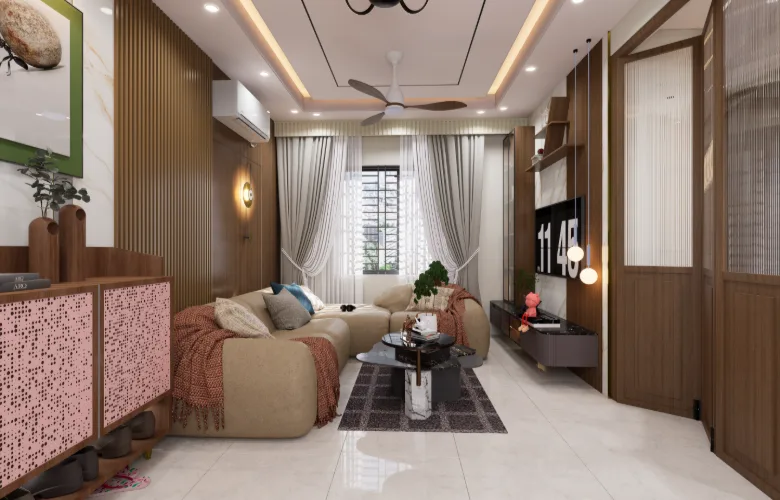
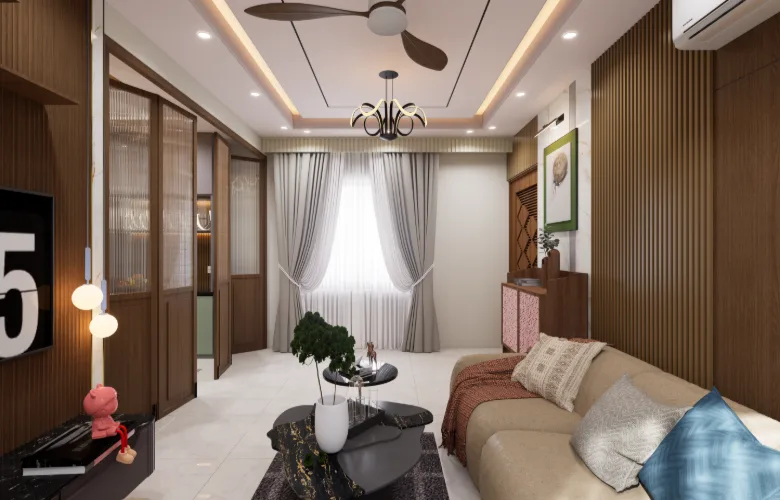
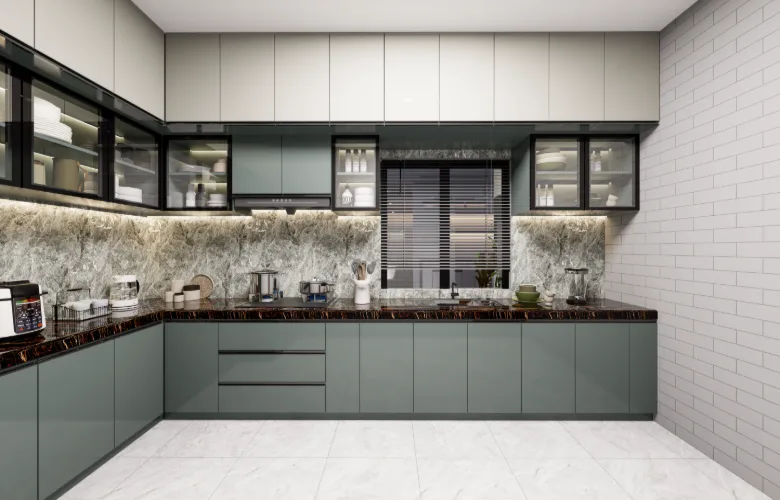
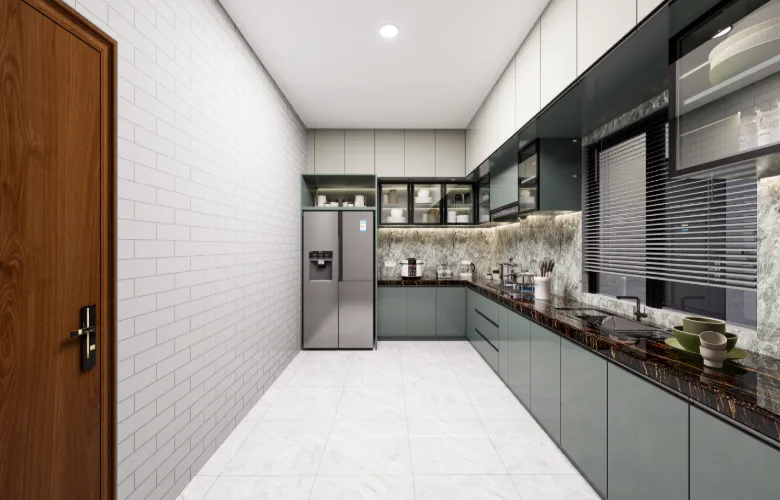
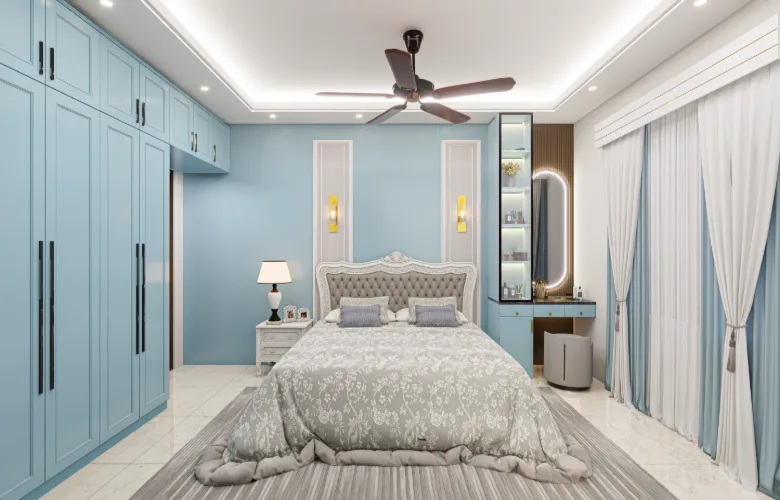
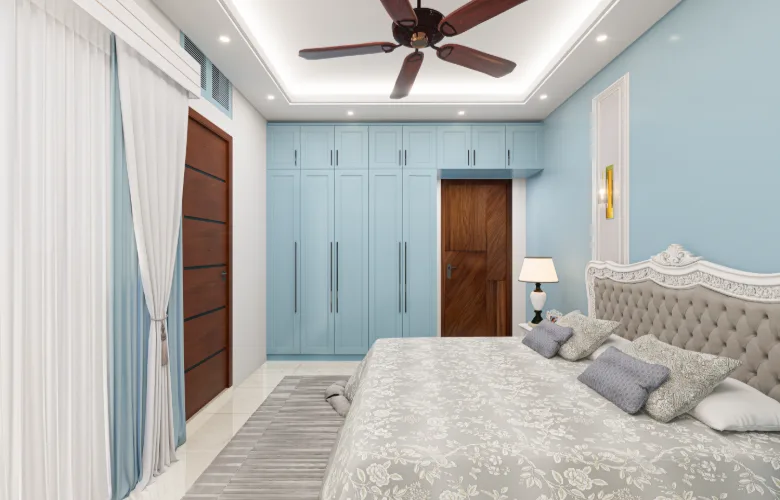
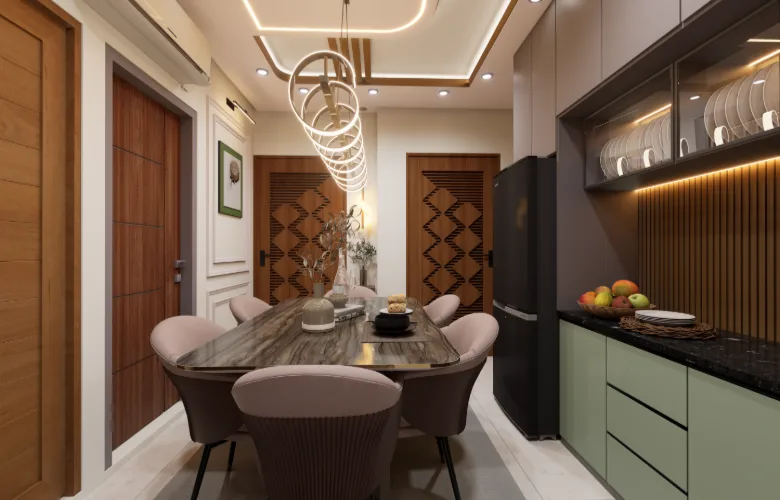
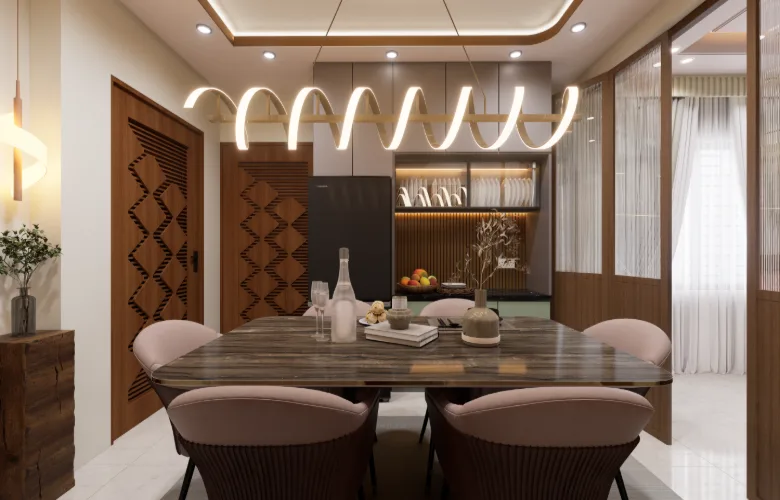
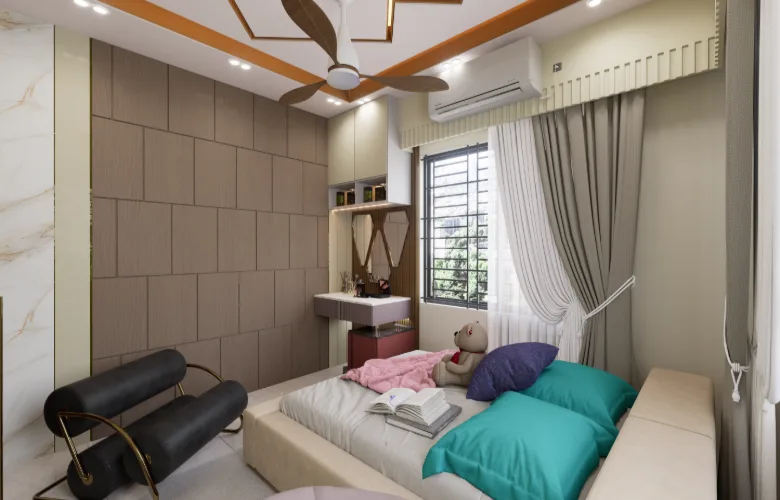
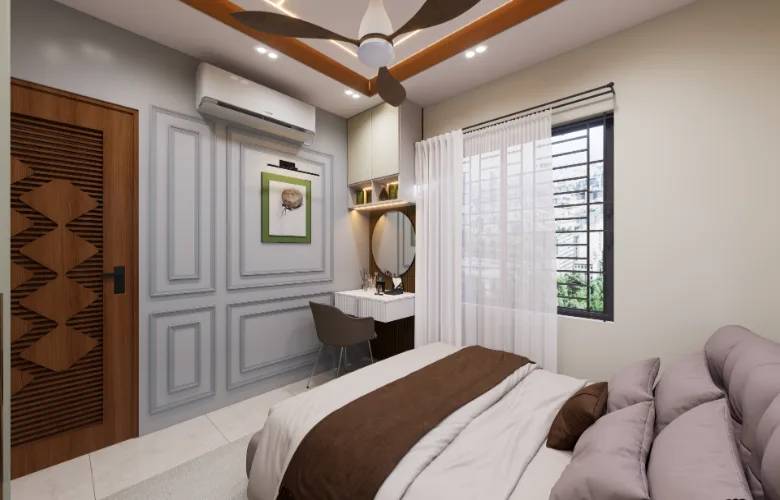
This 1229 square foot apartment, located in the Protik Kamini Apartment in Karwan Bazaar, Dhaka for Anik Kumar Dey, was completed in just 27 days. The project aimed at finding ways to translate modern aesthetic values into an urban environment with a high density of people. To achieve this objective, a compact design was created for a young working professional or a couple/small family. The main objective was to create a house that felt comfortable, layered and aesthetically pleasing. One of its most significant strengths is the way in which limited space has been well-detailed to have layers and be functional and not cramped.
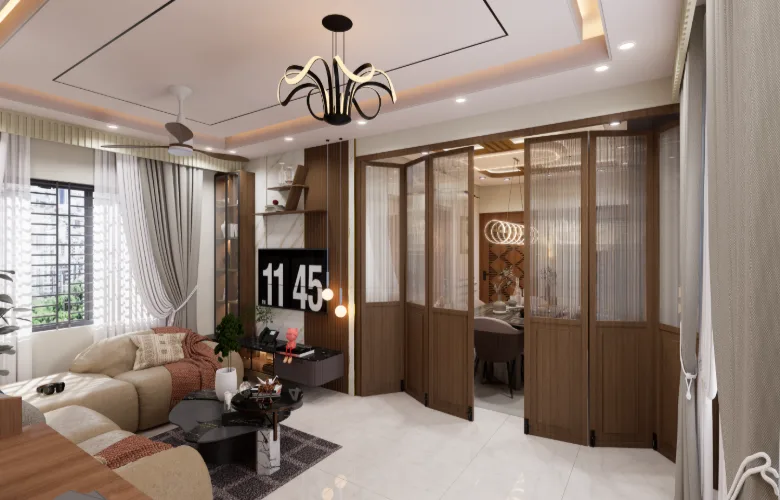
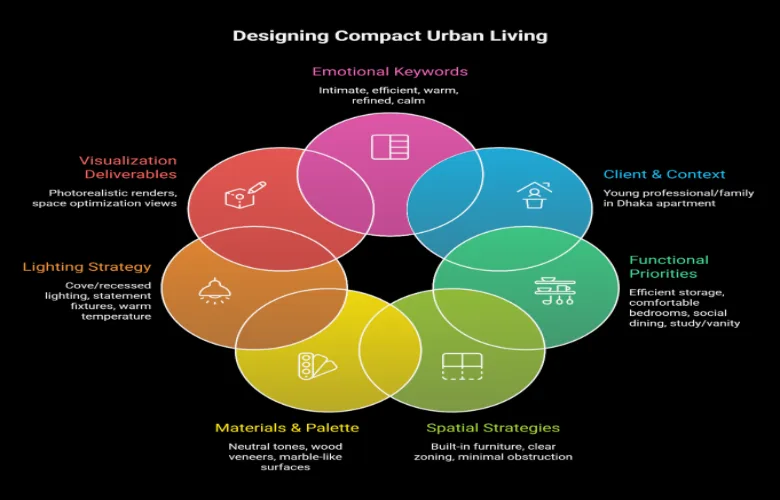
As opposed to larger houses, this project started off with more restricted space and much greater expectations for efficiency. Each wall, corner and route of passage had to play many different roles- such as storing items, moving around, and creating a cohesive view-throughout the space. The clients requirements were very specific; they wanted a modern home that could feel calm and polished, but also able to functionally support their day-to-day activities.
The designers response to these challenges was based upon precision. Built-in components formed the foundation of the project by minimizing the need for free-standing furniture, and maximizing available walking space.
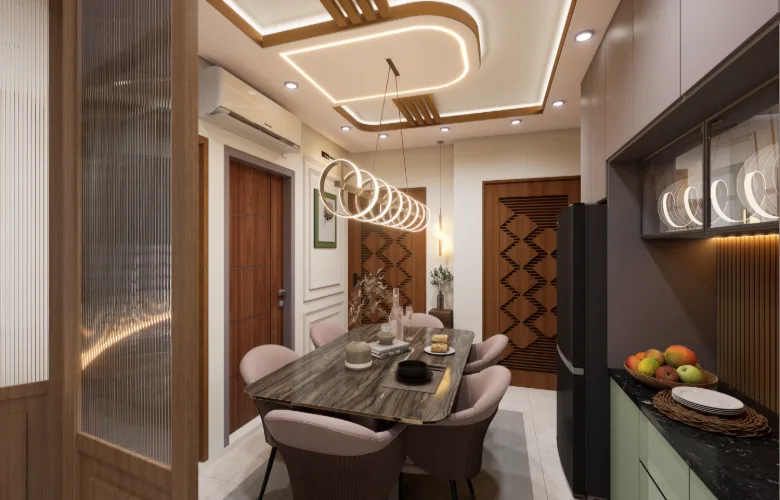
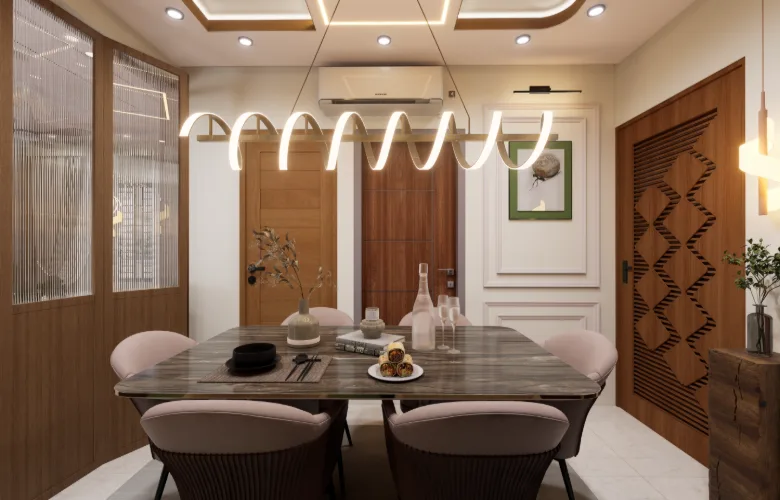
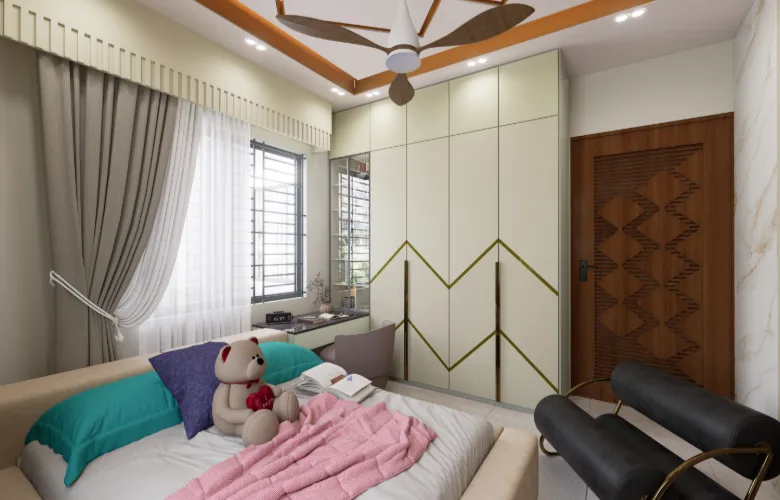
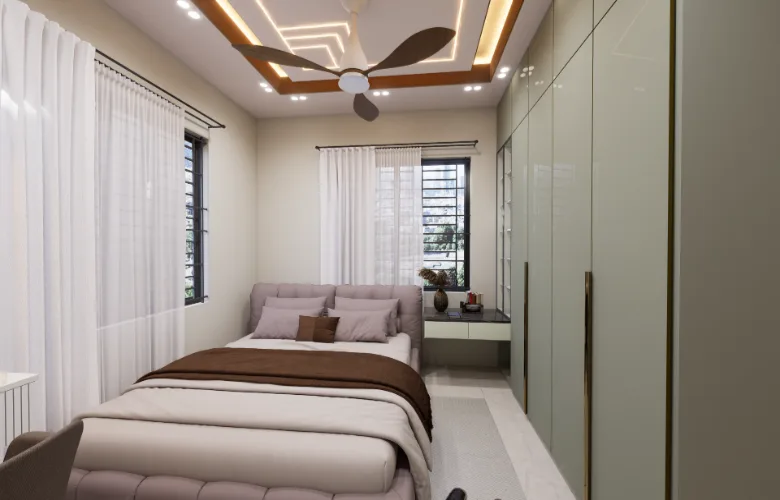
Bedrooms were viewed as mini-retreat spaces, providing depth by using layered material combinations, and soft lighting to create a perception of more space than exists physically. On the other hand, the dining space was intended to be somewhat more expressive, and therefore acted as a social hub within the confines of the dwelling unit.
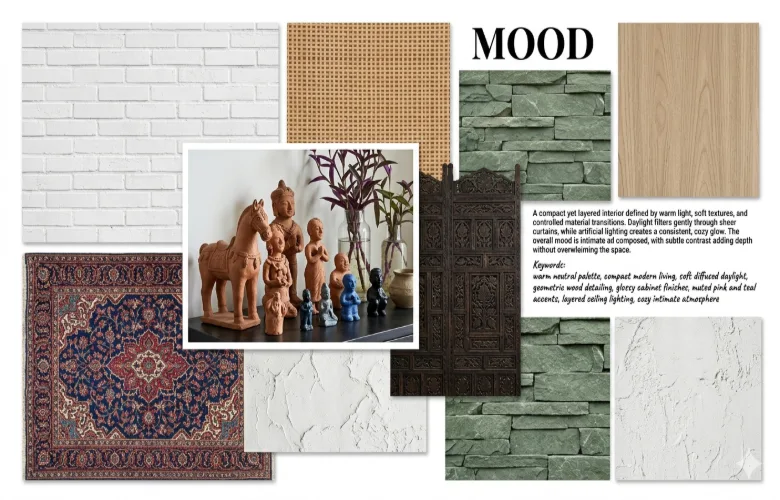
Transitions in materials and lighting were utilized in order to minimize visual clutter. Rather than utilizing sharp contrasts, the color palette transitioned slowly-wood to fabric, matte to glass- creating a flowing appearance. The end result is a dwelling unit that appears ordered and functional- each component is doing precisely what it should, no more.
Design Details:
Space Planning:
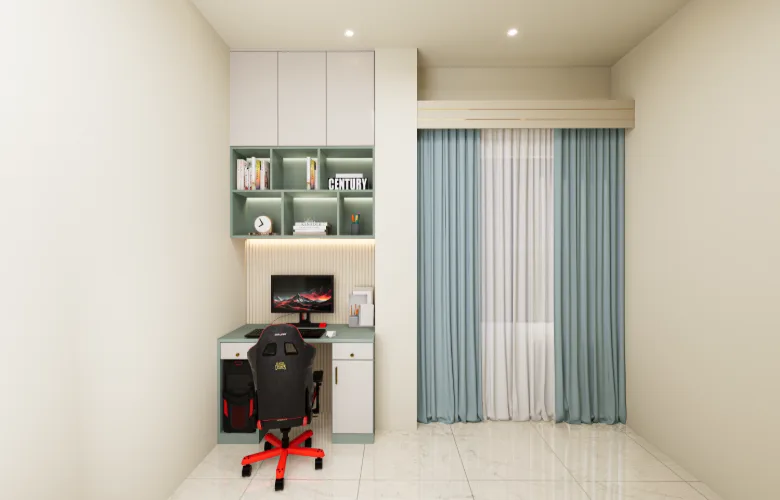
Layout planning focused on achieving optimal efficiency. With each room having its own unique identity while being visually related. Bedrooms are designed to be compact however contain integrated storage and workspace. Dining area is placed in center position in order to service both daily living uses, as well as visiting guests, without impeding traffic.
Materials & Finishes:
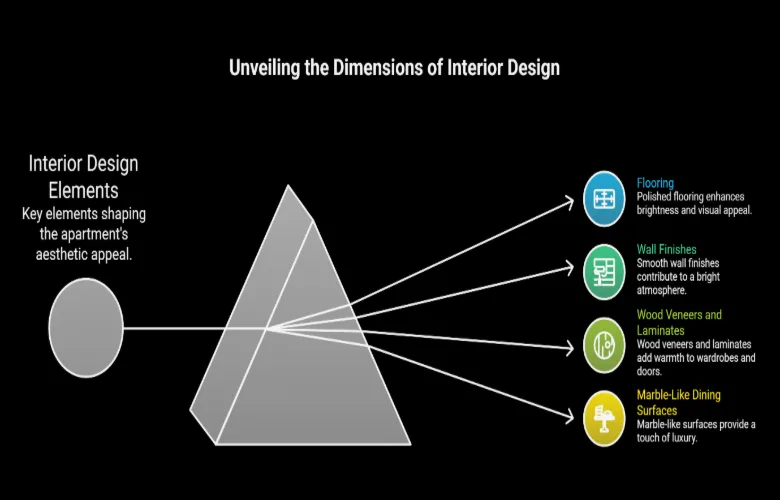
Flooring that is polished and walls that are smooth contribute to brightness throughout the apartment. Warmth is added via wood veneers and laminates in wardrobe and door applications. A luxurious element is introduced through marble-like surfaces for dining table tops without overwhelming the remaining palette.
Lighting & Atmosphere:
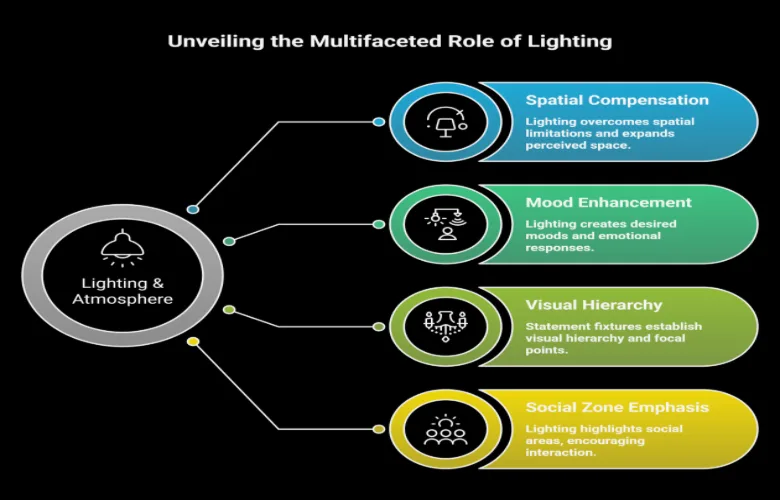
Lighting is used to make-up for lack of space and improve ambiance. Cove lighting softens corners of ceiling while recessed lighting provides evenly distributed lighting. Overhead lighting fixtures over dining areas provide visual hierarchy and attract visitor’s eyes towards social activity zones.
Color & Texture:
Colors in the palette were selected to be muted-beige, cream and warm wood tones form the base pallette. Limited amounts of muted pink and blue accents are incorporated in order to provide subtle variations. Contrast in textures-between glossy cabinet finishes and soft textiles-prevents the space from appearing flat.
Furniture & Joinery:
Joinery forms an integral part of custom design of built-in storage, study/desk areas and display cases. Minimalist furniture that scales to fit the dimensions of the apartment maintains consistency with clean lines and geometric detail.
Visualization & Experience:
The project was developed using detailed 3-D static image renderings focusing on achieving balance between spatial efficiency and balanced lighting. These images allowed the client to visualize how compact areas would appear when furnished particularly how built-in components interact with pathways of circulation. Clarity provided in visualizations enabled approval processes to run smoothly, minimizing changes made during construction phases
Find quick answers about our interior design, architecture, construction, and 3D visualization services in Dhaka.
Talk directly with our team we respond within 1 hour during office hours.
A small apartment needs careful planning of space, furniture, storage, lighting, and circulation. Every area should have a clear purpose while maintaining enough open space for comfortable movement and everyday living.
A combination of built-in furniture, suitable proportions, reflective surfaces, neutral colors, natural light, and an uncluttered layout can make a compact apartment feel more open. The goal is to increase the sense of space without changing the actual floor area.
Built-in wardrobes, study areas, storage units, and display cabinets can use wall space more efficiently than multiple standalone furniture pieces. They help reduce unnecessary floor occupation while providing the storage and functionality needed for everyday life.
Furniture should be selected according to the room dimensions, circulation requirements, household needs, and available storage. Appropriately scaled and multifunctional furniture can provide the required functionality without making the apartment feel crowded.
Storage can be integrated into walls, wardrobes, study units, TV cabinets, and other built-in furniture. Using coordinated finishes and a consistent color palette can help storage blend naturally into the interior instead of becoming a dominant visual element.
Lighting can influence both the perceived size and atmosphere of a small home. A combination of natural light, recessed lighting, cove lighting, and carefully positioned decorative fixtures can create depth, improve functionality, and establish visual focus without overwhelming the space.
Flexible design can allow one area to serve more than one purpose. For example, a combined study and vanity area can support work and personal routines, while a centrally planned dining area can function for both everyday meals and social gatherings.
Materials and colors should work together to create visual continuity while considering durability, maintenance, lighting, and the size of the space. Neutral tones, warm wood finishes, glass, fabric, and selected glossy surfaces can add depth without making a compact home feel visually busy.
Kazi Family
Since 2010, a Dhaka-based interior and architectural firm with 873+ completed projects across Bangladesh. We specialize in residential, commercial, and hospitality spaces, delivering end-to-end design and execution solutions.