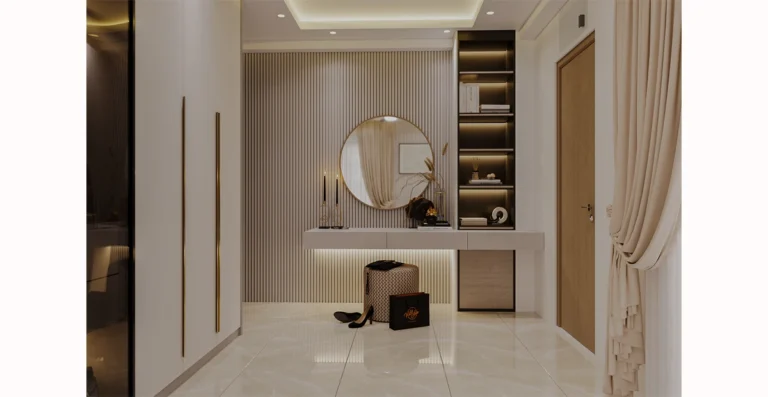
Interior design in room is a very important part of creating rooms that not only look nice, but also have to meet our needs and are comfortable for us to live and work in. Rooms are much more than four walls, they are where we go to rest, do our jobs, entertain friends and family, and express who we are. Thusly, the design of a room impacts our mood, productivity, and over-all wellness.
With modern lifestyles becoming more and more demanding, Interior Design of a Room has never been more important. With the expectation of a house being able to fulfill many roles (e.g., a place to relax, work from home, entertain visitors, or simply decompress after a long day), proper design makes sure the room fulfills those expectations without appearing cluttered or overwhelming.
Effective interior design balances aesthetics with practicality. An effective room design will appear organic, arranged, and inviting. Every decision made regarding the design of a room, including the colors selected, the placement of furniture, etc. all contribute to what we experience in the space. Done properly, Interior Design of a Room turns ordinary areas into environments that support our daily lives.
What Does Interior Design in a Room Mean?
Interior design in a room means the deliberate planning and arrangement of all interior components of a defined space. These include; layout, furniture, lighting, color combinations, texture, material, and decorative items. The goal is to create a space where each component works together in unison to produce a harmonious environment.
Unlike mere decoration, Interior Design in a Room takes into consideration how individuals navigate the space and the functions of the space on a daily basis. As such, it emphasizes both functionality as well as aesthetics. For example, a room may look wonderful, but if the furniture placement restricts movement or there is not enough lighting, the design has failed to serve its intended purpose.
A well-planned interior design also considers proportions, scales, and flow. The furniture should fit the space of the room, passageways should be kept clear, and there should be visual equilibrium. The Interior Design in a Room creates an atmosphere that is neither too empty nor overly crowded, resulting in a sense of comfort and relaxation.
Why Is Good Room Interior Design Important for Both Aesthetics and Comfort
The significance of Interior Design in a Room stems from the fact that it improves both aesthetics and comfort simultaneously. A thoughtful, well-designed room results in relaxation, lessens stress, and facilitates the accomplishment of daily tasks in a more efficient manner. Additionally, when a space is well-organized and visually balanced, it naturally increases one’s overall well-being.
One of the greatest advantages of designing a room effectively is to provide comfort. By selecting the right type and amount of furniture, by laying out the space ergonomically, and by using sufficient and appropriate lighting, you can develop a space that is both enjoyable and easy to utilize for extended periods of time. Interior Design in a Room provides assurance that a room will not only look aesthetically pleasing, but also comfortable for extended use.
From an aesthetic viewpoint, an effectively designed room represents your individuality and tastes. A space that has coordinated colors, textures, and materials produces an aesthetically pleasing area that appears intentional rather than arbitrary. Interior Design in a Room is instrumental in establishing a sense of completion and invitation in your home.
Primary Components of Interior Design in Room
Space Planning and Layout
Space planning is the cornerstone of Interior Design in a Room. Space planning is the process of placing furniture and other design components in a manner that maximizes usage and maintains the free flow of traffic in a space. When a space plan is successfully implemented, it is possible to establish a room that is spacious and functional, regardless of the size of the room.
When developing a space plan, it is essential to consider how people will enter, move, and utilize the room. By ensuring that the path ways are clear, furniture is placed in a logical location, and defined zones are created, a space plan will facilitate a room that functions effectively. Interior Design in a Room places great emphasis on the development of a successful space plan so that the room does not feel congested or unpleasant.
Balance of Color and Harmony
Color plays a significant role in the establishment of the ambiance of a space. Harmonious color schemes promote a state of visual comfort. Interior Design in a Room utilizes color as a tool to create the perception of a room that is larger, warmer, or calmer than it actually is.
Because neutral colors are frequently utilized as a base due to their calming effects, accent colors can then be introduced through decorative pieces or furniture to add interest and character to the space. When the color scheme is well-balanced, the room feels cohesive and inviting.
Lighting and Atmosphere
Lighting is an essential element of Interior Design in a Room, as it influences both the functionality and the mood of a space. Lighting a room properly produces an inviting and comfortable space, whereas improperly lit spaces can make an otherwise aesthetically pleasing space feel bland or uncomfortable.
Natural lighting produces a fresh and airy effect, whereas artificial lighting supplies a consistent and controllable light source. Ambient lighting establishes the general atmosphere, task lighting aids in performing a particular activity, and accent lighting provides additional detail. All three types of lighting combined create a balanced and versatile space.
Visual Balance Using Furniture Proportion & Scale
Selecting appropriately sized furniture is an integral part of achieving visual balance using furniture proportion & scale. When interior designers select oversized furniture they create a feeling of claustrophobia in a room; conversely when interior designers select too small of furniture they create a sense of disconnection between furniture and the space.
Interior designers who use furniture proportion & scale effectively, create harmony and comfort. Interior designers must ensure that all furniture selected will compliment the room, but will never overwhelm the room. This philosophy will help create a room that has a stable, organized, and easily navigated appearance.
Interior Design Ideas for Different Rooms
Each room has its own specific function and thus its own unique design approach. For this reason, successful interior design in room must adapt the design principles to suit how the room is being utilized to achieve a visually pleasing and functional result.
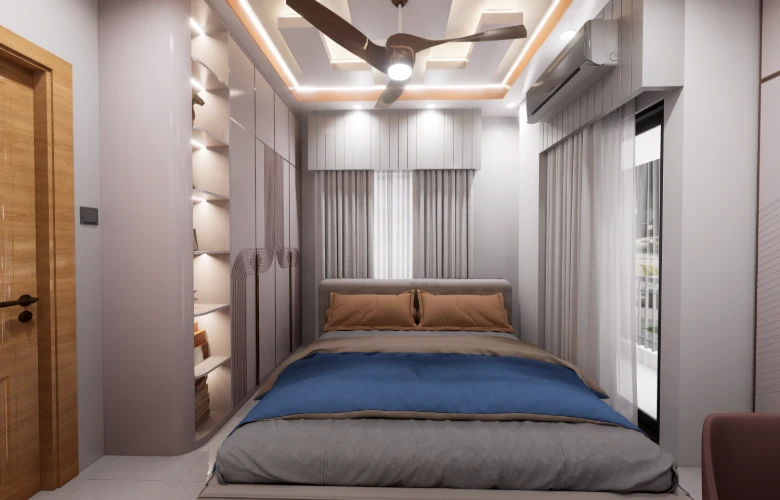
Bedroom Interior Design
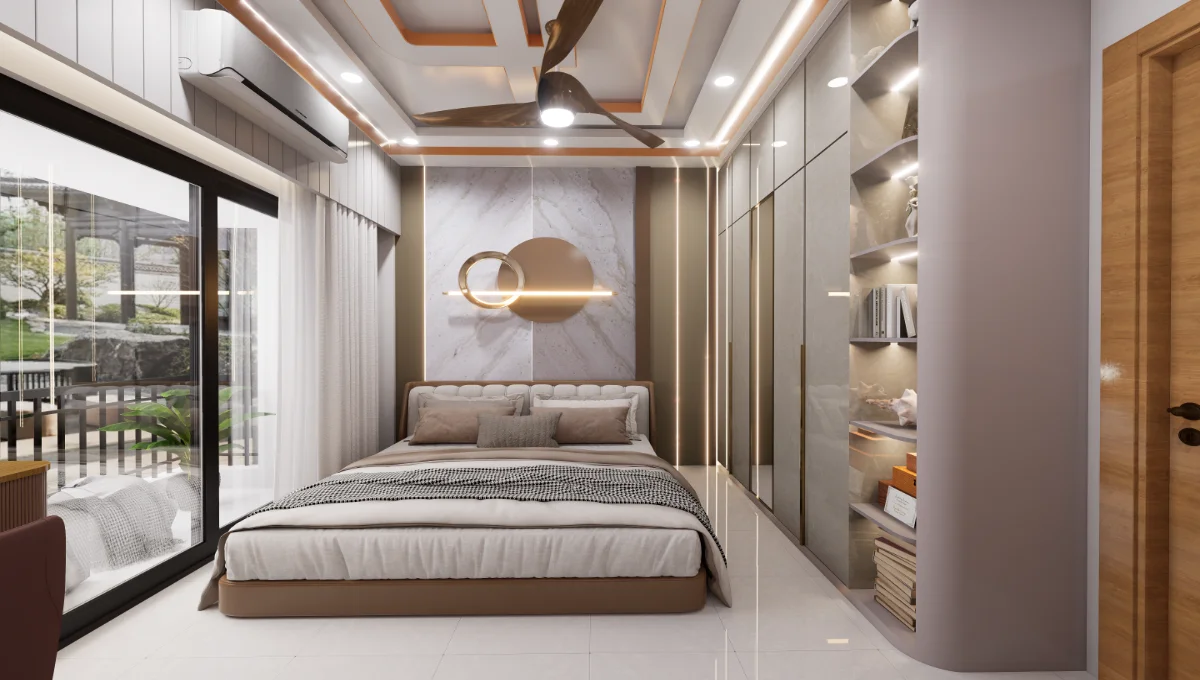
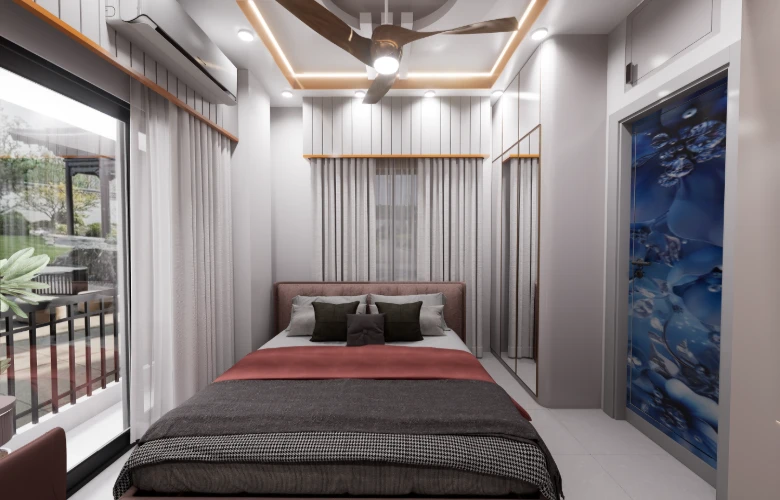
Bedrooms are a person’s private sanctuary and are intended to provide a place for rest and relaxation. Therefore, the focus of interior design in bedrooms is on creating a comfortable, peaceful, calming, and uncluttered area using soft lighting, neutral color palette, and adequate storage for bedding and other essential items. Soft textiles and a well-planned and balanced layout create a serene and inviting environment that promotes quality sleep.
When placing furniture in a bedroom, interior designers must consider ease of movement and accessibility to essentials. Additionally, a well-designed and balanced layout combined with a variety of soft textiles and simple decorative accents can create a relaxing and cozy environment that is also organized.
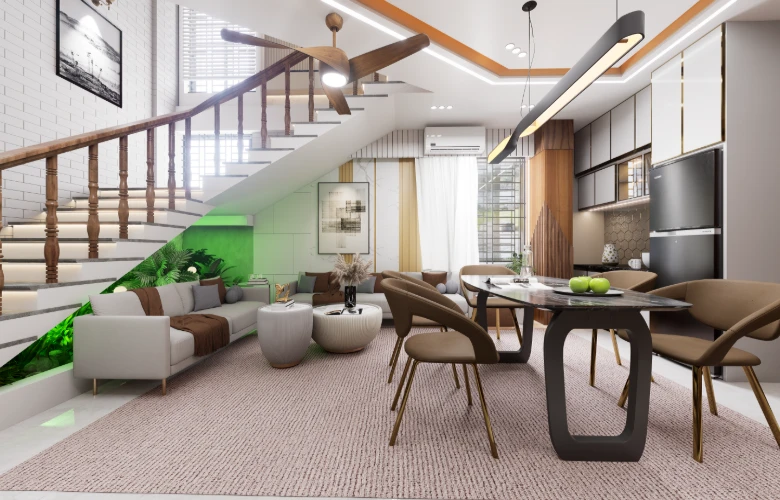
Living Room Interior Design
Living rooms are typically the most active rooms in the home and can be used as a location for entertaining guests, watching TV, reading, socializing, etc. As such, the focus of interior design in living rooms is to create a comfortable and inviting space using large amounts of open space, versatile furniture, and ample lighting. Interior designers use a combination of ambient and accent lighting to create a warm and inviting atmosphere in living rooms. Additionally, decorative accents such as rugs, pillows, and artwork add individuality to a room and create visual interest.
Dining Room Interior Design
Dining rooms have two primary functions: providing a location where individuals can dine and socialize; and providing a visually appealing space that enhances the dining experience. Interior designers who use interior design in room, focus on finding the perfect balance between form and function by selecting the right amount and type of furniture and lighting for the space. Additionally, interior designers choose a dining room color scheme that encourages conversation and comfort (warm tones), and use a simple and clean design aesthetic to create a beautiful yet functional dining space.
Home Office Interior Design
Home offices are designed to promote focus, creativity, and productivity. In addition to promoting these qualities, interior designers who specialize in interior design in room, focus on creating a workspace that provides optimal lighting conditions, ergonomically designed furniture, and an organized workspace. A clutter-free workspace is vital to improving focus and increasing efficiency.
When designing home office spaces, interior designers prefer to utilize natural light, and employ task lighting to assist with focused work. To maintain an organized and efficient workspace, interior designers recommend the use of shelving units and/or cabinet systems for storing office supplies and documents.
Selecting Colors & Materials
Colors and materials play a significant role in determining the feel and function of a room. Interior designers who use interior design in room, incorporate colors and materials into their designs to create a specific mood, level of comfort, and durability.
Effective Color Choices for Room Interiors
Light colors provide a sense of openness and spaciousness to a room, which makes them ideal for rooms that are small or have limited lighting. Neutral color palettes provide a high degree of flexibility and longevity in terms of decorating. Interior designers often combine a neutral base color with accent colors to create a rich and interesting space.
Accent colors can be used to add a sense of character to a room if used judiciously. The goal of using colors is to create harmony, not contrast overload.
Textured Wall Finishes
Textures can be added to walls through paint, wallpaper, textured paneling, and subtle patterned papers. Adding texture to a wall creates additional visual interest in a space. Interior designers who use interior design in room, avoid flat or monotonous surfaces.
Soft textures provide warmth in a space, while smooth finishes provide a sleek and modern appearance. Interior designers select the type of finish based upon the intended use of the room and desired style.
Choosing Flooring for Room Design
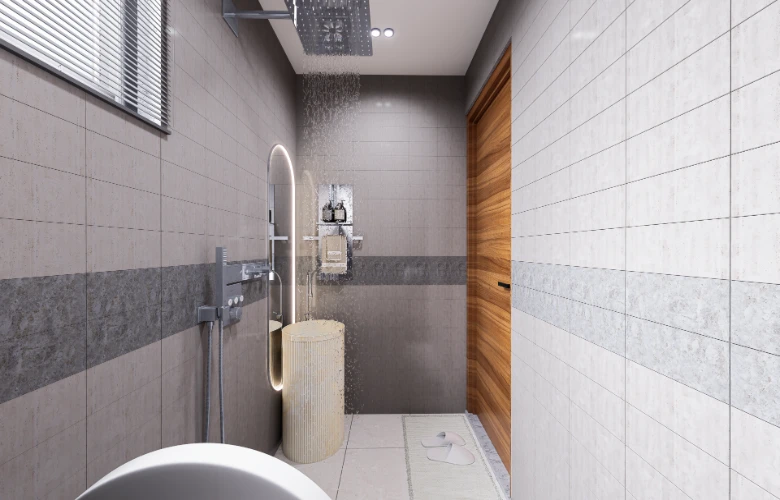
Both comfort and aesthetics are impacted by the type of flooring chosen for a room. Hardwood floors provide warmth and elegance, tile floors provide durability and ease of maintenance, carpeted floors provide softness and sound absorption. Interior designers who use interior design in room, select flooring based upon intended use, maintenance requirements, and aesthetic appeal.
Proper flooring selections enhance the overall design of a space while meeting the needs of occupants for a functional space.
Selecting Furniture & Décor
Furniture and décor are what give a room its personality and function. Interior designers who use interior design in room, ensure that each piece of furniture and décor item is serving a purpose while supporting the design theme.
Placing Functional Furniture
How furniture is placed in a room affects the flow of the room and the comfort of the occupants. Interior designers who use interior design in room, focus on creating floor plans that promote a free-flowing space that allows for easy navigation. Additionally, furniture placement defines different zones within open-plan spaces, and improves usability.
Decorating Accessories
Decorative accessories such as artwork, throw pillows, plants, and rugs, enhance the aesthetic appeal of a space. Interior designers who use interior design in room, encourage thoughtfully selecting decorative accessories to prevent clutter.
A balanced décor will provide interest and beauty to a space without overwhelming the space.
Interior Design in Rooms: Smart Storage and Space Saving Solutions
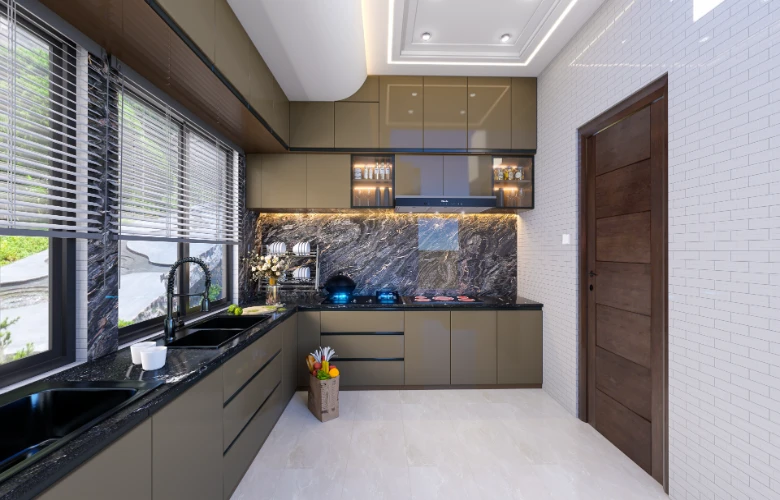
Storage is a necessity when there is little space available in which to store items. As Interior Design in Rooms utilizes storage solutions (built-in storage, multi-functional furniture and vertical solutions) to keep rooms organized.
An organized room is a neat room and will appear larger and more inviting than an unorganized room.
Lighting Design for Rooms
Lighting has a huge effect on the aesthetic of a room; the ambiance, functionality, and how you feel about being in a particular room. Interior Design in Rooms utilizes lighting to achieve both functionality and ambiance within a room.
Natural vs Artificial Light
Natural light has an uplifting quality to a space. The use of large windows, sheers, and open floor plans allows sunlight to flood into the room creating a feeling of openness and warmth. Natural light is preferred in Interior Design in Rooms, as it elevates your mood and reduces your reliance on artificial light sources.
Artificial light is necessary on cloudy days and in areas of low light levels. Lighting can be achieved through ceiling fixtures, table/lamp lights, and/or wall sconces to provide constant light and function to a space.
Techniques of Layered Lighting
Layered lighting involves using multiple light sources to create depth and versatility in a room. Ambient lighting is general lighting for a room, task lighting is focused lighting for a specific activity such as reading or working, and accent lighting highlights decorative elements and other focal points in the room.
Interior Design in Rooms utilize layered lighting techniques to allow the space to function differently based on mood and intent.
Accent Lighting in the Room
Accent lighting draws attention to focal points in the room such as art work, textures, or architectural details. Accent lighting can be achieved with spot lights, LED strips, and/or wall mounted lights.
Used properly, accent lighting can add sophistication and definition to a room without overpowering the space.
Small Room Interior Design Tips
Designing small rooms can be a challenge, but a few simple planning concepts can greatly enhance the space. Interior Design in Rooms focus on utilizing the space and incorporating comfort and style.
Ideas for Designing Small Spaces
Utilize fold down furniture, built-in shelving and multi-function furniture to save space. Beds with storage drawers, wall mounted desks and extendable tables provide the ability to have functional space without clutter. By designing a space thoughtfully, each square foot of space can be utilized.
Layout Ideas for Small Rooms
Minimalist interior design is very beneficial in small rooms. Using clean lines, basic furniture, and limited decor creates a peaceful and airy environment. Interior Design in Rooms often utilizes a minimalist design to improve the flow of traffic through the space and eliminate visual distractions.
Less Is More
- There are fewer objects to clean and care for when there is less furniture in a room. Therefore, less is often better.
- Creating the Illusion of Space in Small Rooms
- Mirrors reflect light and create the illusion of a larger space. Mirrors can be placed directly across from a window or source of light and will create a brighter and larger room.
- A simple and inexpensive way to enhance the look of a small room.
Modern Trends in Room Interior Design
As lifestyles continue to evolve and technology advances, so do interior design trends. Interior Design in Rooms follows current trends by focusing on simplicity, eco-friendliness, and innovative ways to solve problems.
Trendy Designs Today
Clean design, neutral colors, and uncluttered space are contemporary and minimalist styles that many people prefer today. These styles are popular today, as they are time-less and adaptable.
Green and Eco-Friendly Interior Design
Materials and products that are green and environmentally friendly and energy efficient options are gaining popularity. Green furniture, organic fabrics, and low energy light bulbs are examples of sustainable design that reduces our footprint on the earth.
Interior Design in Rooms is now taking a long term view and focusing on the most sustainable decisions possible.
New Technologies
The integration of new technologies into homes is increasing the convenience and control we have over lighting. Automated lighting, smart switches, and remote controlled systems allow us to adjust lighting and ambiance quickly and easily.
Technology makes living more comfortable and maintains a modern aesthetic.
Common Interior Design Mistakes to Avoid
Well-intentioned design ideas can still go awry due to common errors. When a room is filled with furniture, it limits mobility and comfort. Poorly designed lighting can result in a space that is either too dim or too bright.
Failure to consider the functionality of a space is a second common error. Interior Design in Rooms should always reflect how the space will be used. If a beautiful room cannot be used as intended, then it serves no purpose.
Conclusion
Effective interior design in rooms involves careful planning, a harmonious relationship between form and function, and the right amount of personal expression. Each aspect of a room contributes to the sense of comfort and style created by the interior design in the room.
To maximize comfort and style in a room, interior designers should plan with the needs of the occupants first, avoid clutter, and select designs that will endure beyond their own time and trends.
Interior design in room Faq
Why does good room design matter?
Designing a room correctly will enhance your comfort, ability to use space, and your emotional state in addition to enhancing the look of your room by creating an organized space, creating a sense of peace, and adding visual appeal.
How can I improve a room without remodeling it?
Update lighting, rearrange furniture, hang mirrors, change the décor, and paint the walls with new colors to create positive changes in a room without doing a lot of renovation.
What color(s) are best for a small room?
The best colors to paint a small room are light and neutral colors as they reflect light and help you see through the space to make it appear more open and larger.
How can I find a balance between making my room stylish and functional?
Pick out furniture and decorations that serve a function in addition to being part of your overall design theme and avoid anything that looks great but also creates unusable space.
Is there a type of room where I wouldn’t want to design using a minimalistic approach?
Yes, a minimalist design works in almost all types of rooms (especially smaller rooms), because it will remove clutter and create a comfortable atmosphere.