
Jain Judith
Commercial Interior
Gulshan-01, Dhaka 1212
25 days
728 sq.ft
Judith Jain Salon is a compact commercial salon and spa located in Gulshan-01, with an objective to offer a luxurious grooming experience at a price of 728 square feet. The entire project was completed under a 25 day time frame which made it essential to synchronize design and construction timelines. It was important to create an ambiance that is luxurious yet functional where multiple service zones can be achieved without fragmenting visual experiences. What makes this project unique is how luxury can be condensed using materials, lighting and shape to transform a modest space into a unified high-end space.
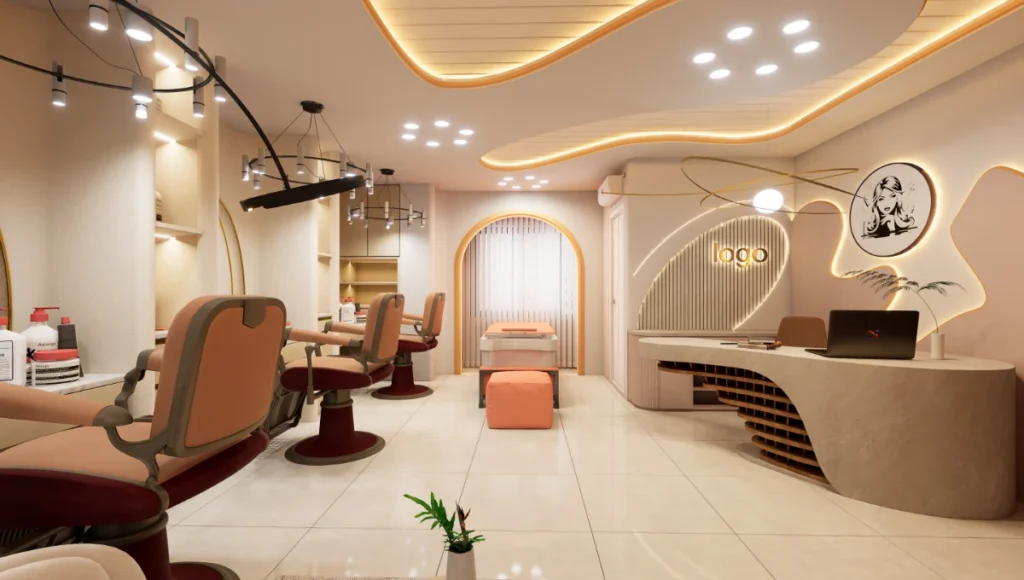
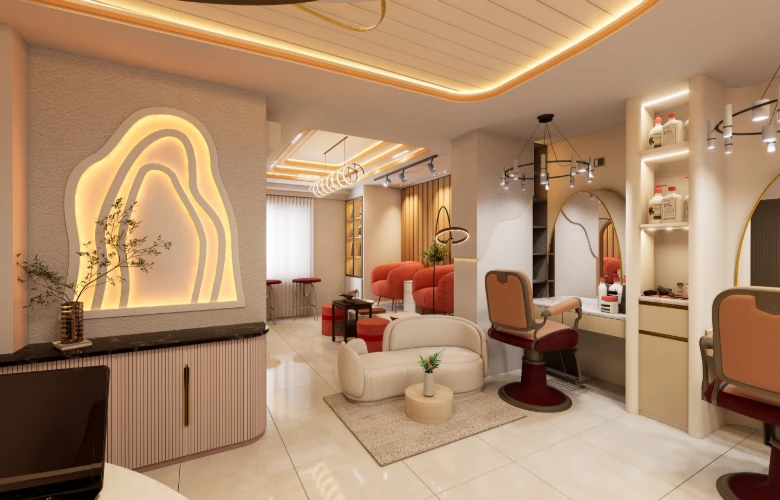
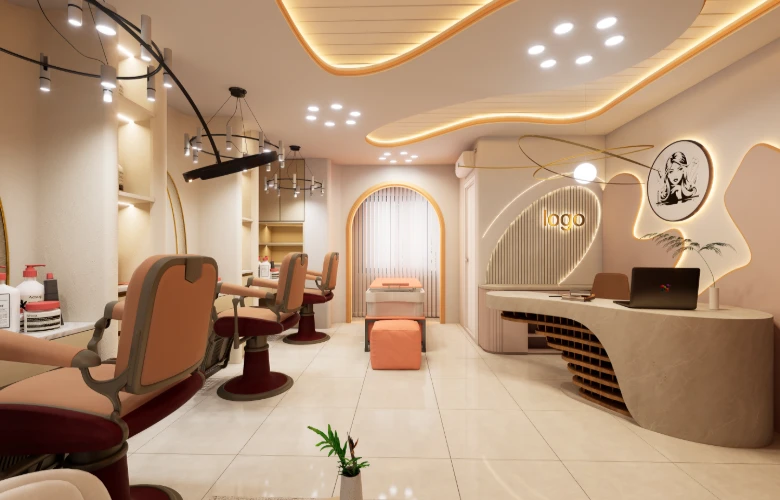
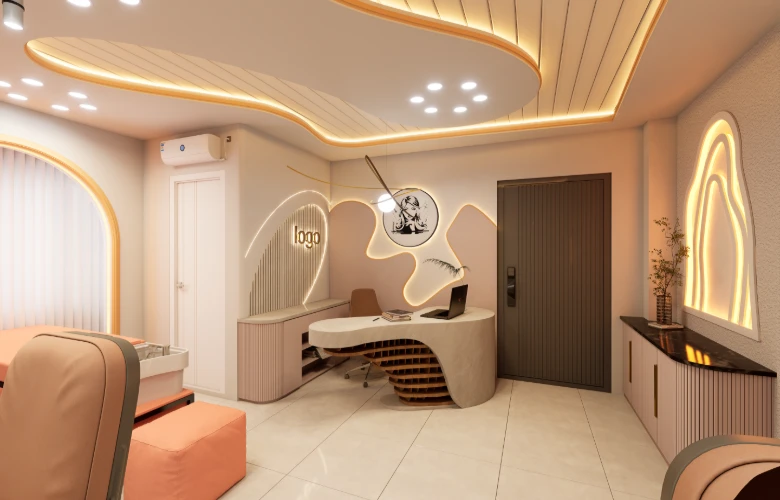
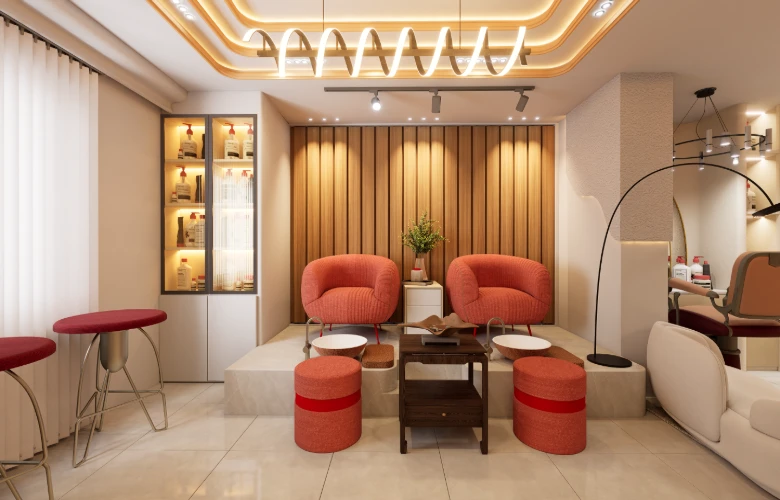
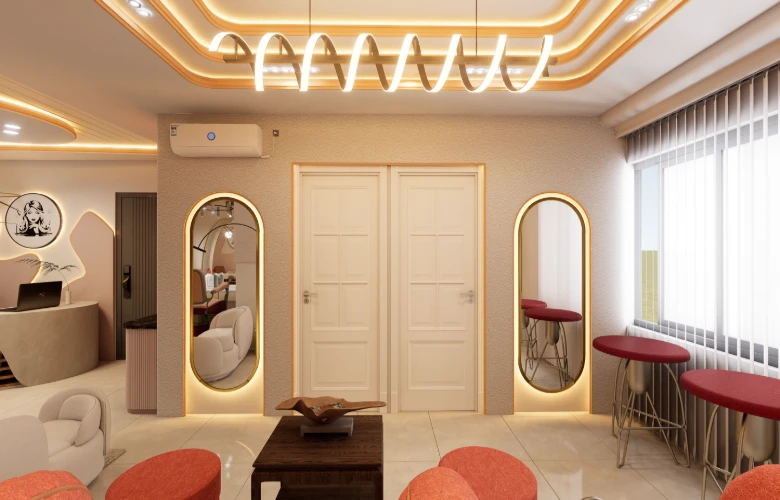
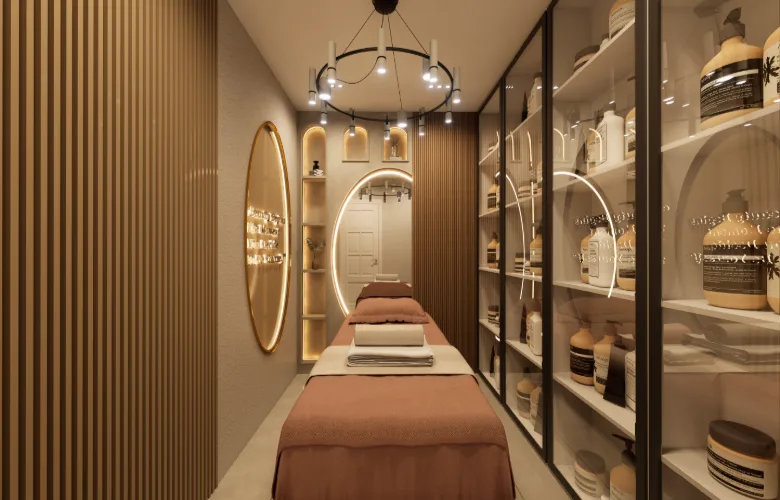
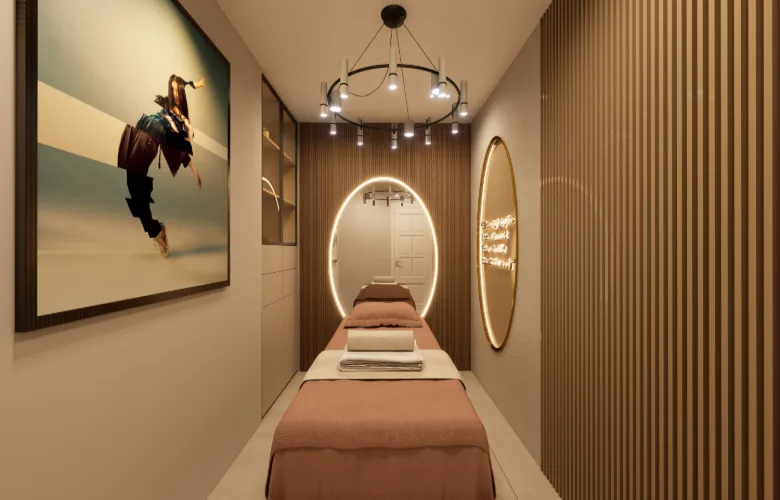
This project started with a very basic however demanding requirement – to develop a full service salon and spa inside an extremely restricted space with no compromise on either comfort or aesthetic appeal. The customer imagined a place that will attract a clientele that has a taste for design and live in an urban setting. However the constraints on this project were not only spatial but also temporal. The time line to complete the project was only 25 days therefore each design choice needed to be both intentional and implementable on-site without further iterations.
To achieve clarity of movement throughout the design process the focus was on defining different zones through the use of materials, layering lighting and slight level changes. This created an open sense of space while still providing the necessary separation between operational areas of styling, treatment, and waiting.
Curves were used as a central element -not as decorative elements-but as a means to soften transitions and direct traffic. Both the reception desk, the feature walls, and the ceiling shapes all express a similar geometric theme to create a cohesive visual language. While curves help to define separate spaces they do not block views or create barriers, whereas the vertical elements such as wooden slats and mirrors help to create rhythmic patterns and increase the perception of height within the space.
In conclusion, what creates a richly textured yet non-overwhelming experience is not visual abundance, but instead carefully managed richness. Each surface, light fixture, and piece of furniture adds to a uniform ambiance-one that feels calm, sophisticated, and even indulgent but does so without overwhelming.
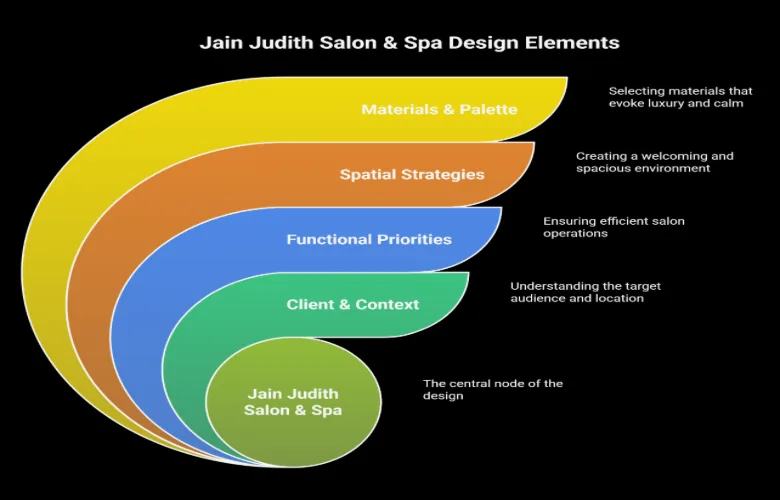
Space Planning:
There is a clearly defined path of travel through the design that allows customers to navigate easily from reception to various service areas. Styling stations have been positioned along one side of the floor plan to allow maximum reflection off mirrors and create depth within the space, while the more private functions such as spa treatments have been placed further away from the front door. All transitional and waiting areas have been intentionally softened to prevent abrupt transitions from one zone to another.
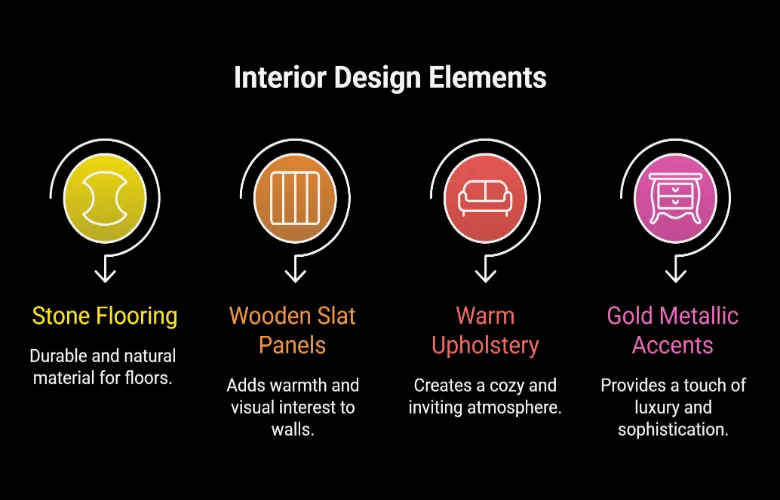
Materials & Finishes:
Stone floors polished to a glossy finish create a durable and reflective surface that assists in enhancing both light and perceptions of space. Wooden slat paneling introduces a vertical pattern and warmth that balances out the coldness of stone and glass. Gold metallic accents have been strategically utilized to draw attention to select features without over-saturating the color palette.
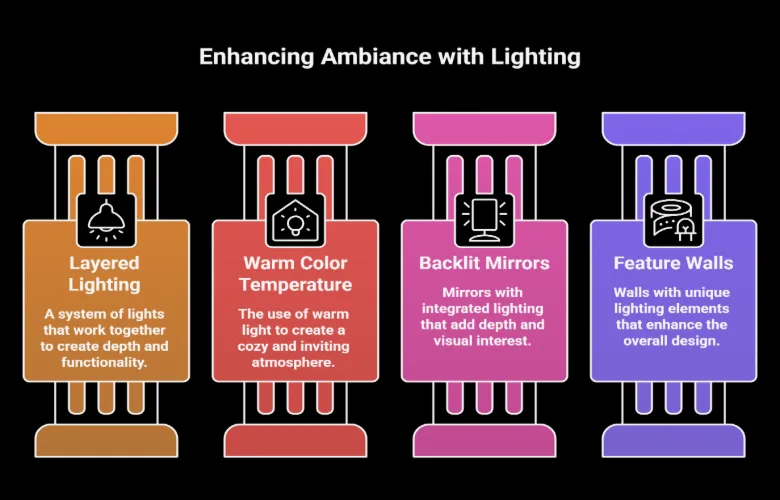
Lighting & Atmosphere:
The lighting strategy utilizes layering to create a specific experience. General lighting comes from recessed ceiling fixtures while pendant lights and chandeliers add focal interest. Mirrors illuminated from behind as well as feature walls add depth to surfaces and accentuate textures ensuring that the space is engaging visually without being too harsh.
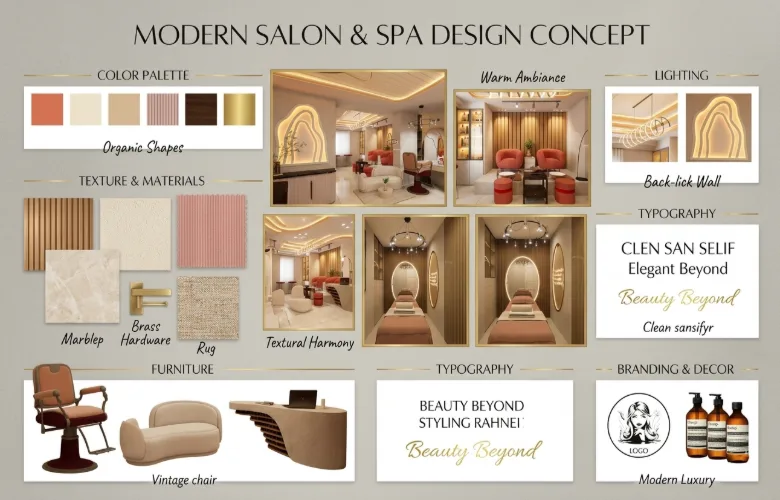
Color & Texture:
Colors operate within a warm range -beige, cream, peach, maroon- highlighted with gold accents. This creates a vibrant color scheme that is tightly controlled which suits a grooming environment. The variety of textures is critical: smooth reflective finishes contrast with matte upholstered furniture and ribbed wood eliminating monotonous conditions.
Furniture & Joinery:
Custom-designed chairs and stations emphasize ergonomics while maintaining visual continuity. The reception desk utilizes curved geometry to create a welcoming entrance into the salon. Built-in cabinets ensure that product and tool storage remain accessible but visually contain them supporting both functionality and aesthetics.
Visualization & Experience:
The project was conceived and presented through high resolution still images emphasizing major experiential areas including reception, styling station, and spa niche. These visuals allowed the client to analyze material pairings, lighting effects, and flow-through prior to commencement of construction. Thus decision-making was expedited and revisions were greatly reduced resulting in the constructed facility having strong fidelity to the originally intended design narrative.
Find quick answers about our interior design, architecture, construction, and 3D visualization services in Dhaka.
Talk directly with our team we respond within 1 hour during office hours.
Commercial interior design can include space planning, concept development, material and furniture selection, lighting design, working drawings, and interior execution. The design is developed around the type of business, available space, workflow, customer experience, and functional requirements.
Yes. A salon or spa can be designed around its actual dimensions, layout, services, and operational requirements. The design can include reception areas, styling stations, treatment rooms, storage, lighting, furniture, and customer circulation.
Effective space planning helps make the best use of the available area while maintaining comfortable movement and efficient workflow. It considers circulation, furniture placement, storage, functional zones, and the specific activities that take place within the space.
The concept starts by understanding the business, target users, functional requirements, available space, and desired visual identity. These factors are then brought together through space planning, materials, colors, furniture, lighting, and architectural details to create a cohesive interior.
3D visualization allows clients to see how the proposed space, materials, furniture, lighting, colors, and overall design will work together before construction begins. It also makes it easier to review the design and make decisions before physical execution.
Yes. After the design is approved, Kazi Family prepares detailed working drawings that translate the concept into clear, buildable information for execution. These technical documents help coordinate different aspects of the project on site.
A Bill of Quantities (BOQ) outlines the materials, quantities, and associated work required for a project. It helps establish a clearer project scope, support cost planning, organize procurement, and provide better budget visibility before execution begins.
Interior execution involves turning the approved design into a completed space through construction, furniture installation, electrical and lighting work, finishing, and other site activities. Project supervision helps maintain the planned design, materials, workmanship, and quality throughout the implementation process.
A complete project generally starts with consultation and site measurement, followed by space planning and concept development. After reviewing the design through 3D visualization, working drawings and BOQ or cost planning can be prepared before execution, site supervision, quality control, and final handover.
Kazi Family
Since 2010, a Dhaka-based interior and architectural firm with 873+ completed projects across Bangladesh. We specialize in residential, commercial, and hospitality spaces, delivering end-to-end design and execution solutions.

