Anamul Haque
Residential Interior
Al Hera Pump Road, City Corporation, Board Bazar, Gazipur.
1 Month 24 days 2026
2,579 sq. ft
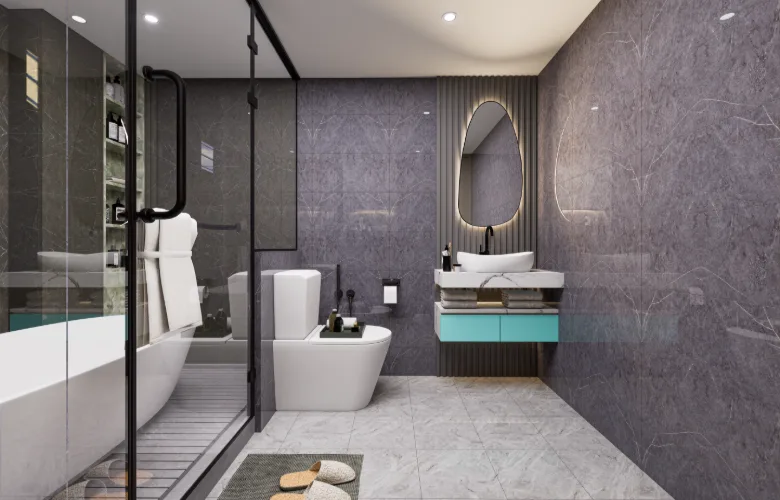
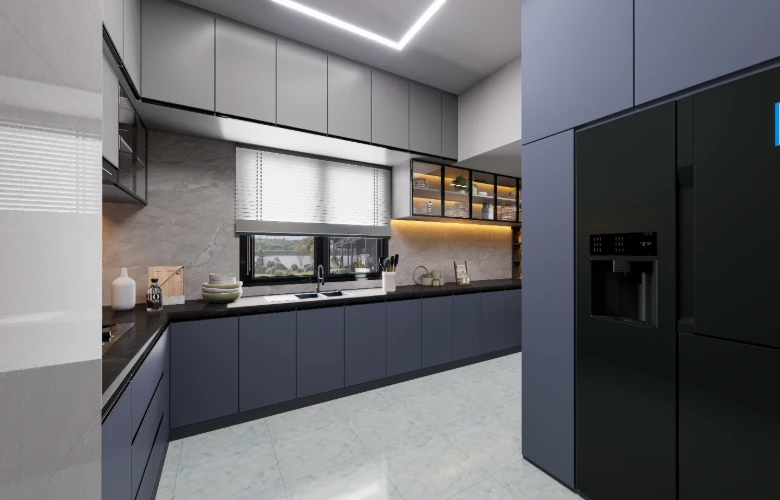
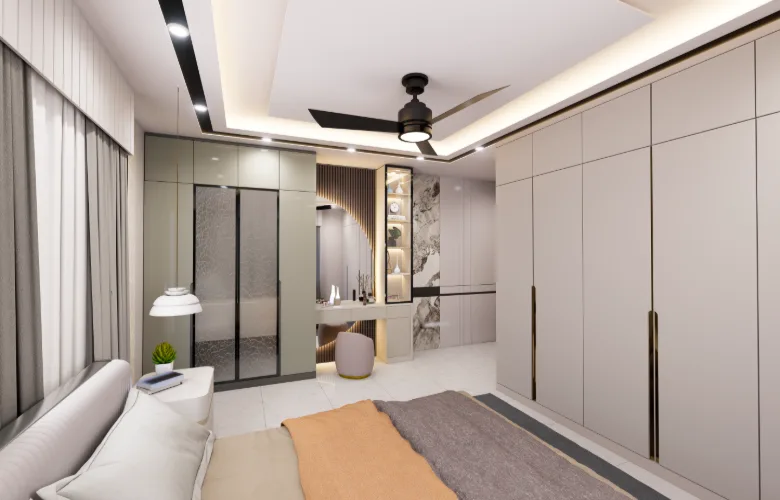
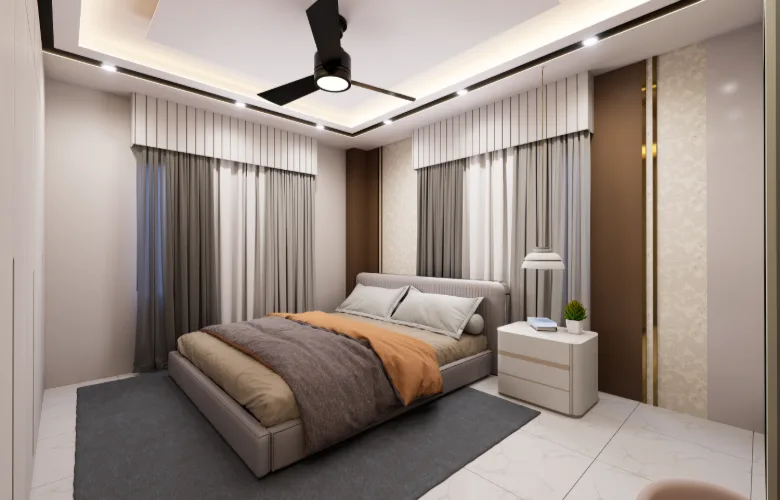
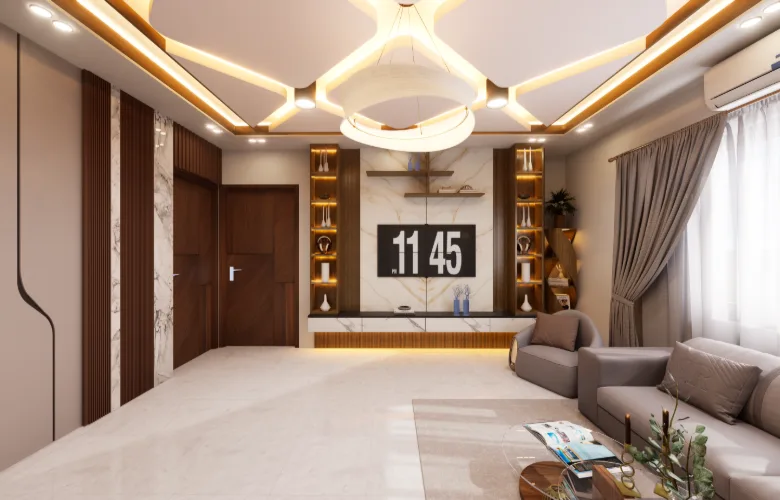
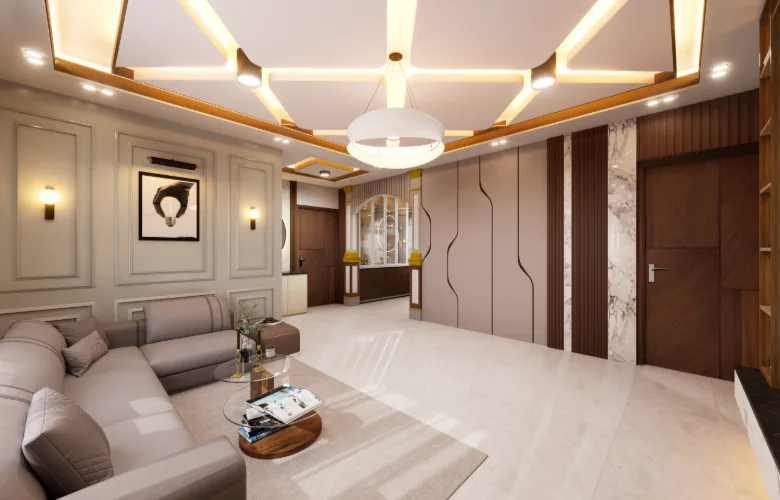
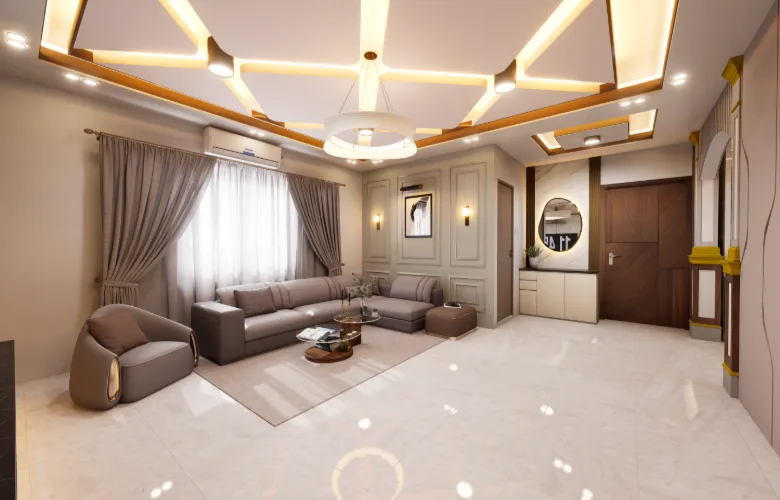
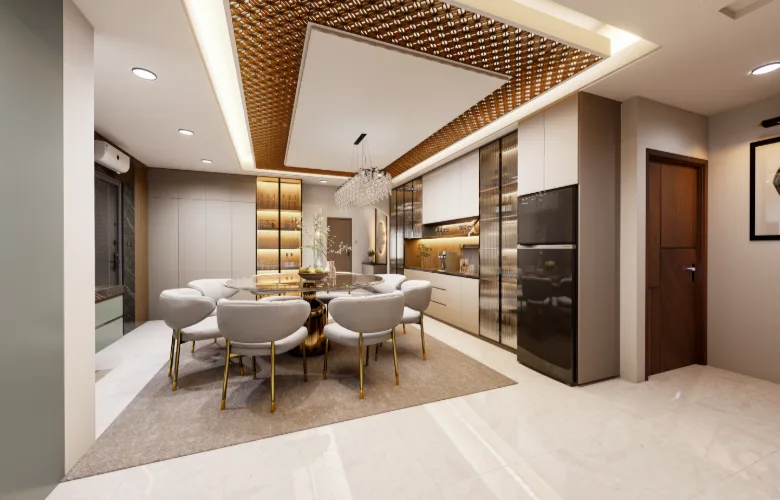
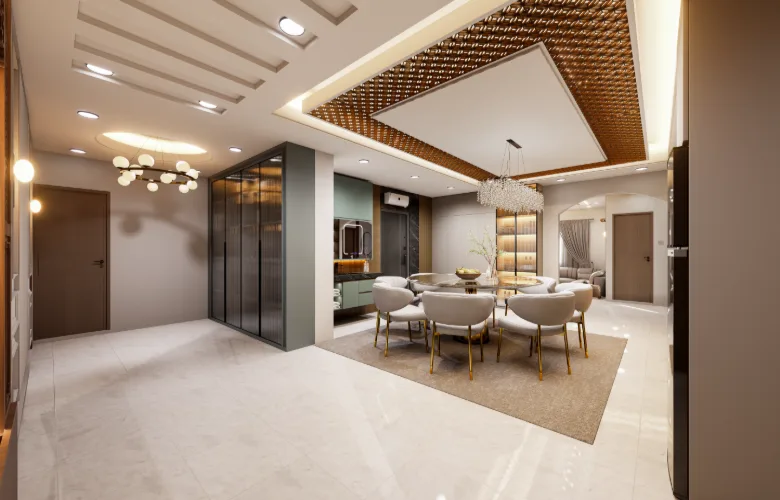
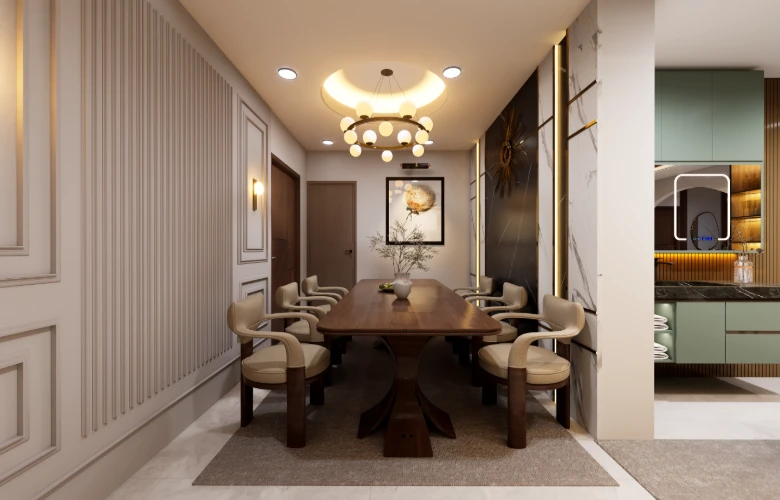
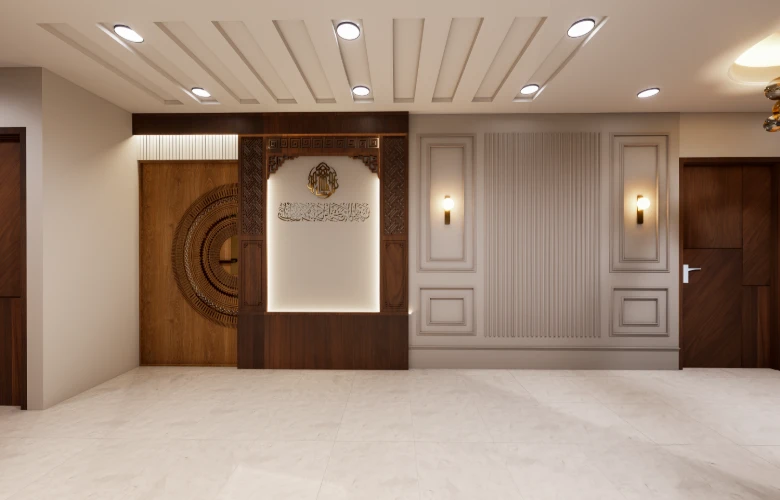
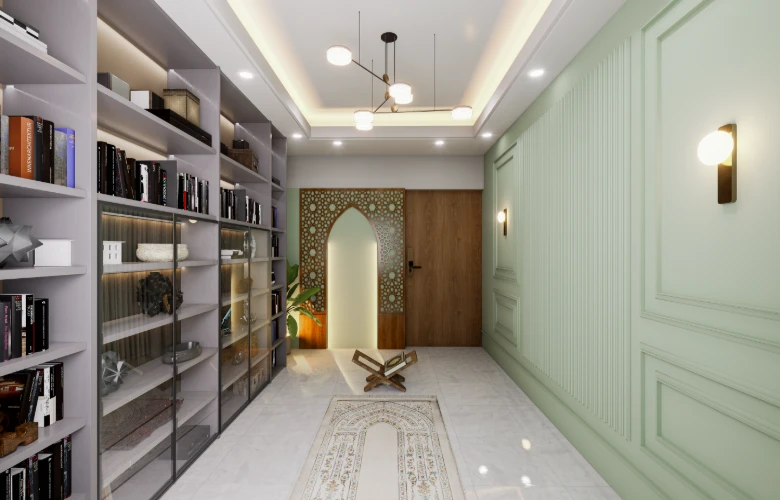
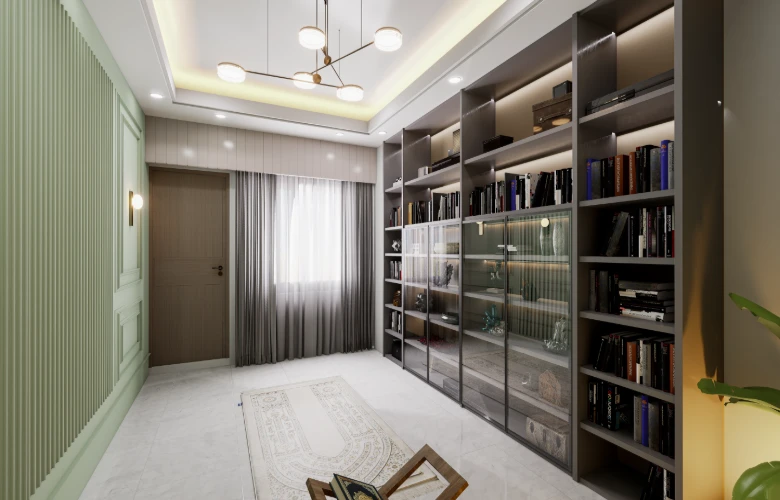
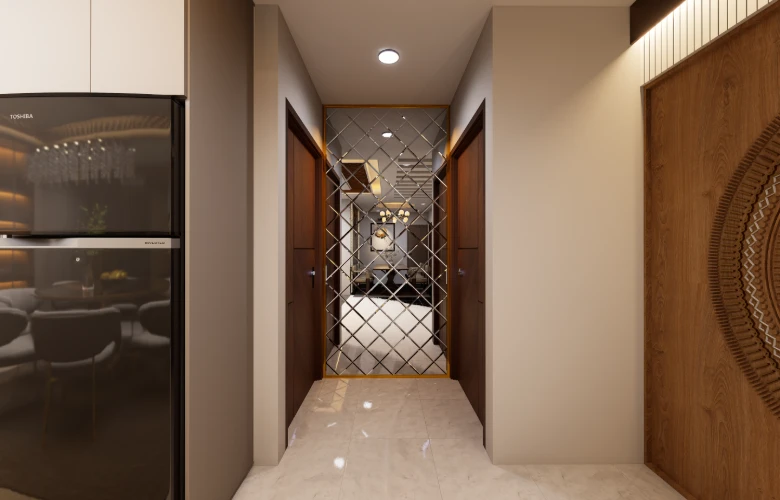
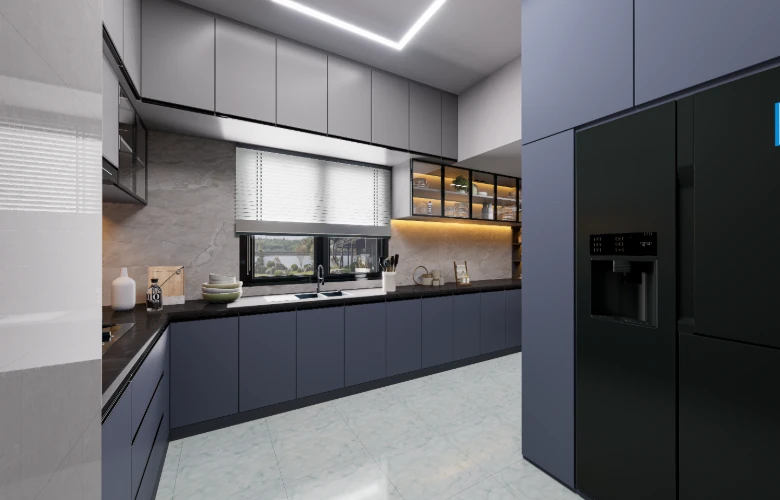
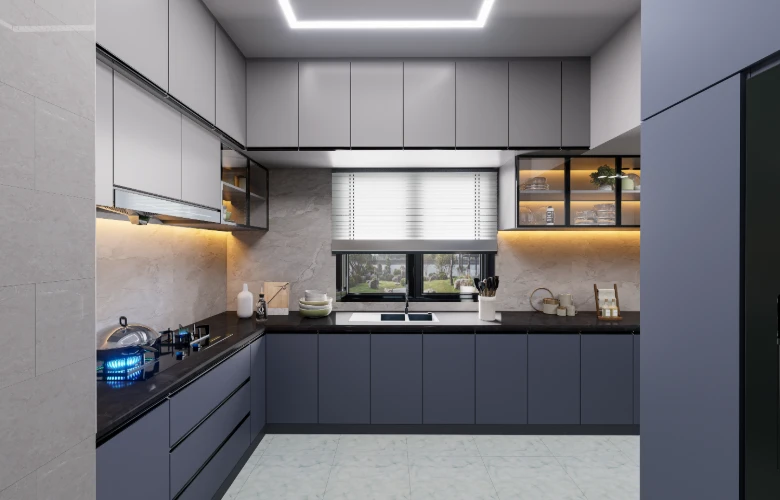
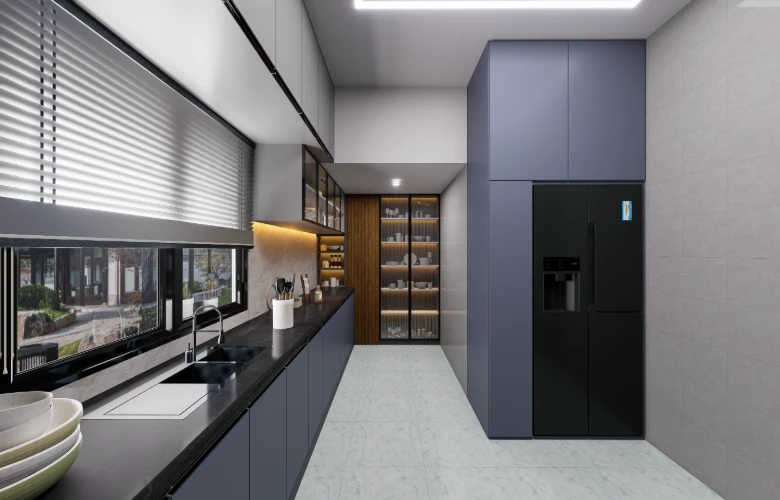
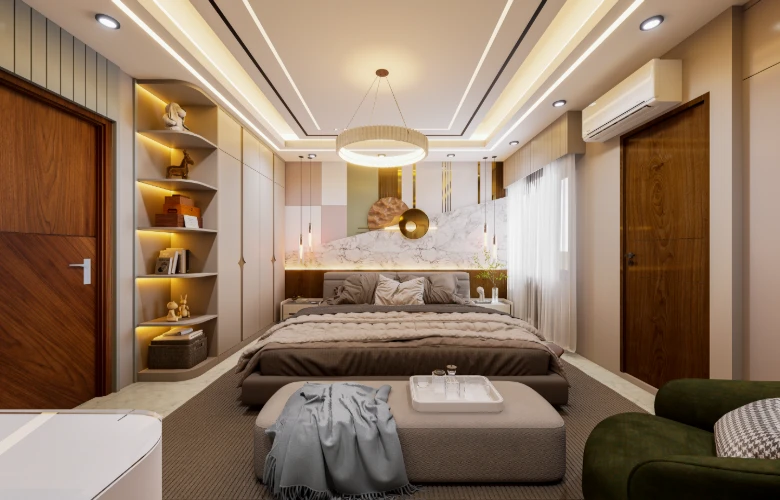
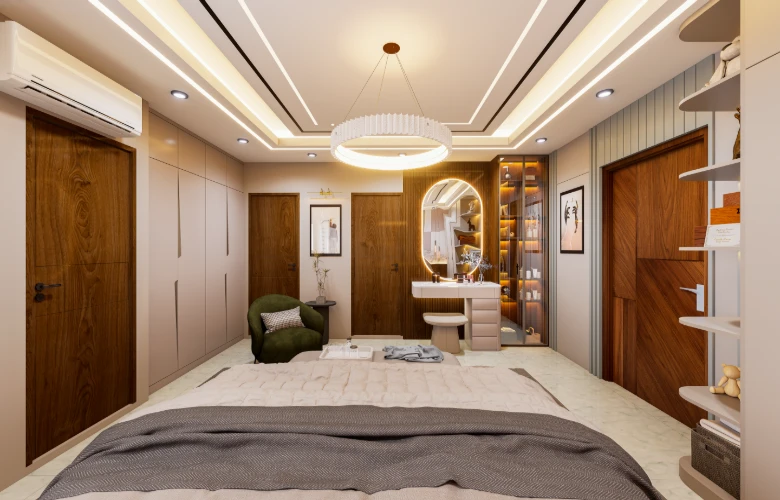
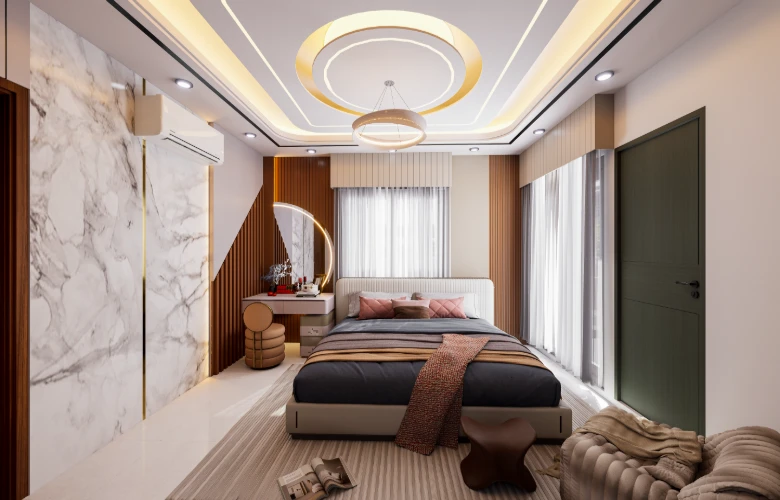
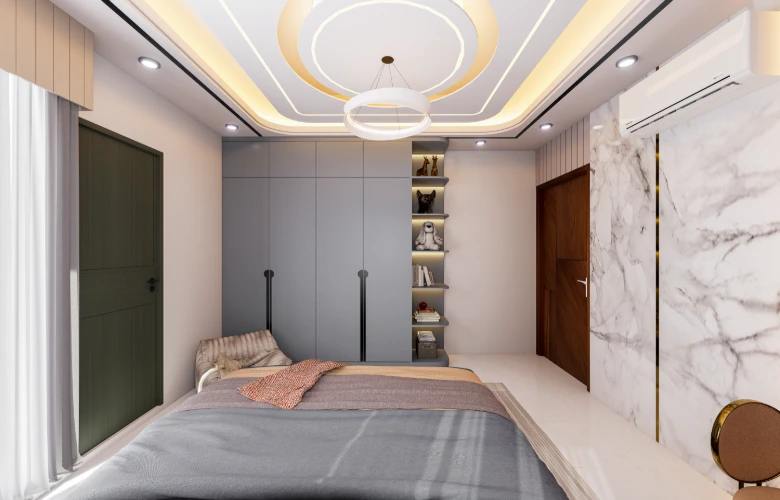
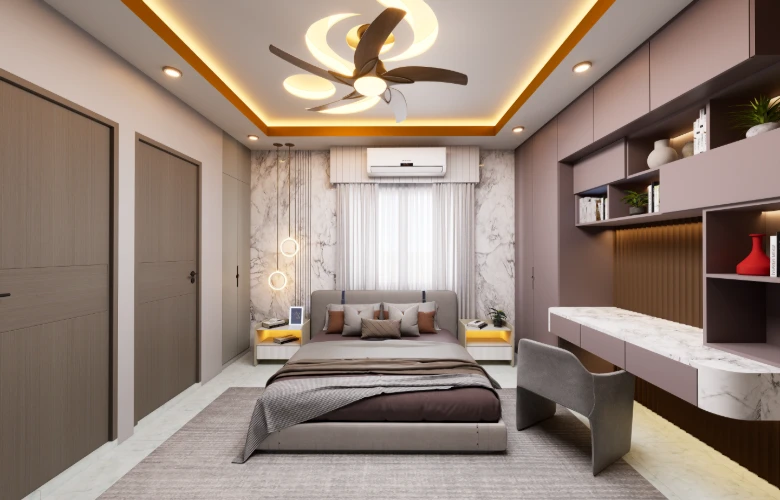
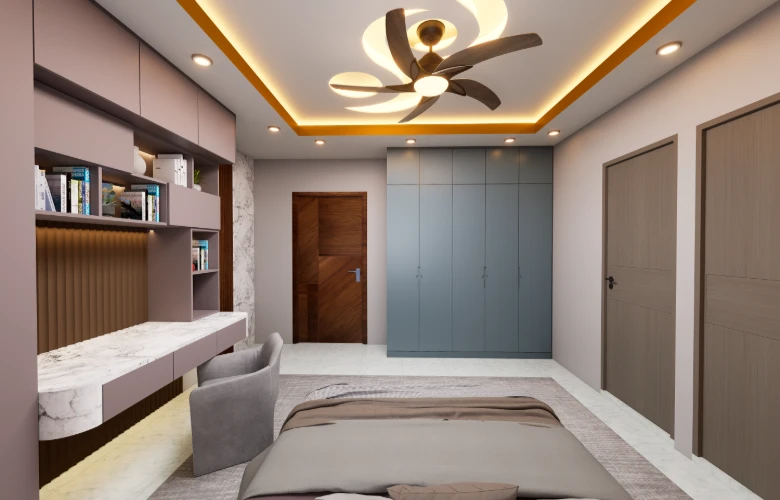
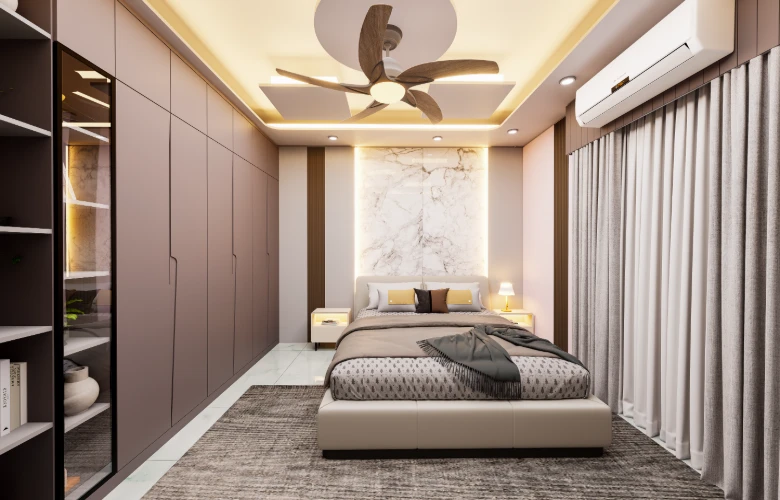
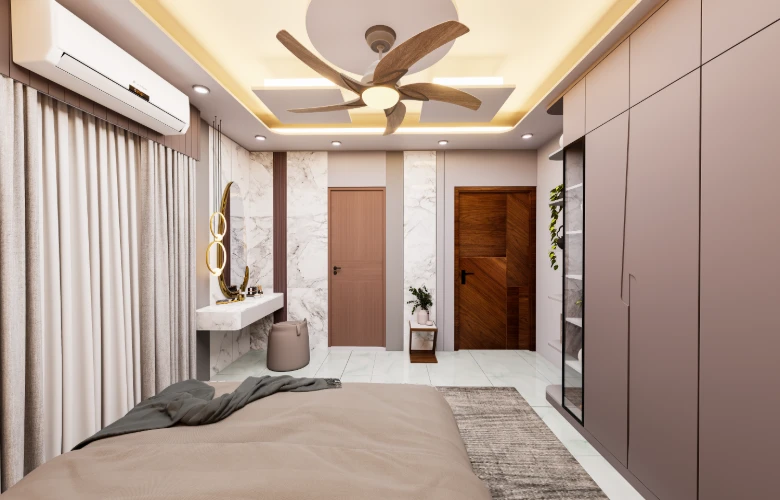
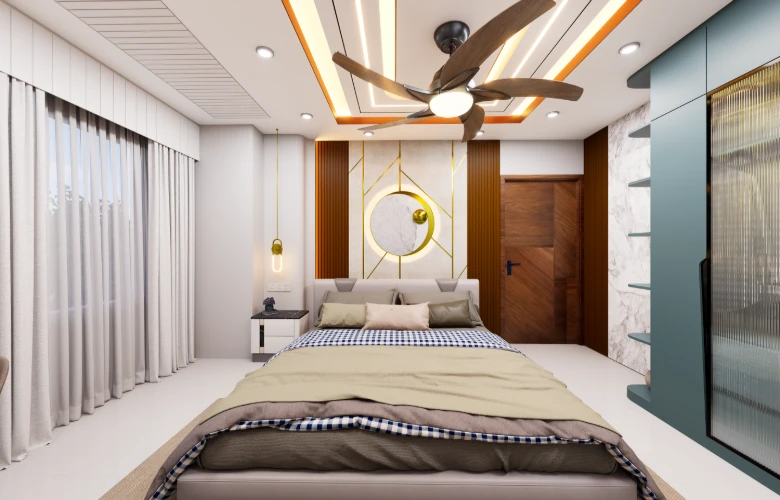
Conceptually, this interior is defined by a balanced approach to functional zones, while emphasizing an aesthetic of contemporary luxury. The interior plan provides for a variety of bedroom, living/dining and transitional spaces which allow for both privacy and visual flow.
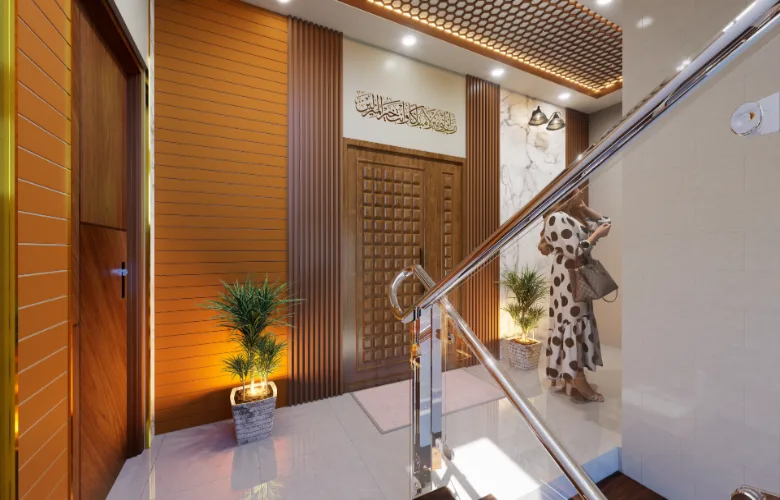
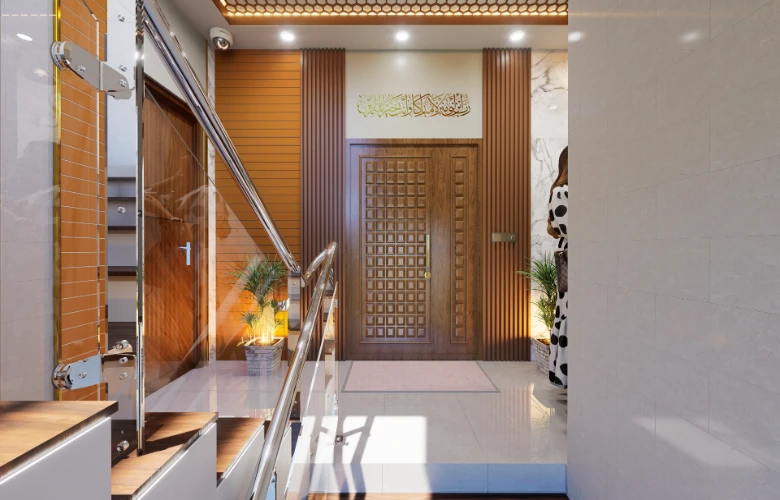
The use of modern minimalist design principles are used throughout the design to create a sophisticated design vocabulary. This vocabulary incorporates a neutral color palette enhanced with wood, marble and metallic accenting to provide warmth and sophistication. Integrated lighting and built-in components add spatial definition, depth and user experience while providing a clean, composed architectural solution.
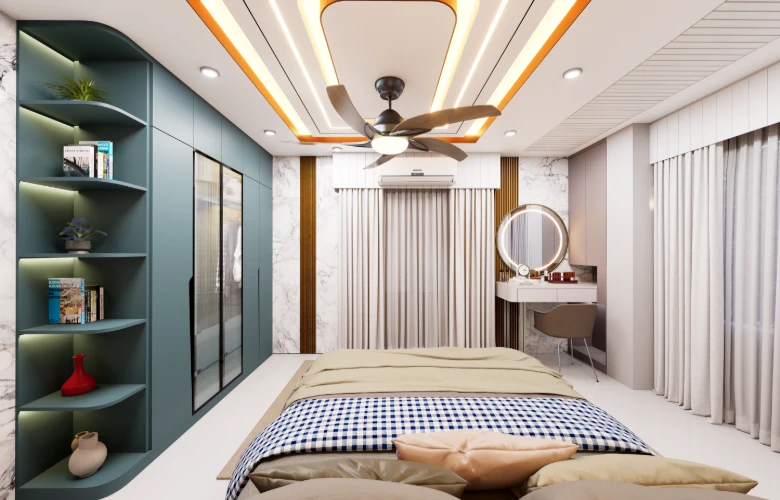
Project Story:
The initial intent behind the project was to create a luxurious modern residence that provided a reflection of culture and functionality. The greatest challenge facing the designer was how to coordinate various spatial zones into one cohesive design concept without fragmenting them visually. Each zone needed to have it’s own unique characteristics, yet be connected in a single design vocabulary.
The focus of the design process was centered around achieving consistency using materials and lighting. Marble, wood and metal accents were strategically placed in each zone to establish continuity. Additionally, feature elements such as bed backsplashes, dining area features, and calligraphy panels were established as anchors for defining spatial orientation and directing user movement.
Care was also given to control decorative elements from becoming too dominant and overwhelming the minimalistic composition of the interior.
In terms of execution, attention was paid to detail and precision. The built-in furniture, concealed joinery and integration of all lighting solutions resulted in a clean and refined finish. During the development phase adjustments were made to the visual weight of ceiling treatments in specific areas, as well as to achieve balance when transitioning between materials.
Ultimately, this residential interior has been resolved as a successful representation of luxury, comfort and cultural expression within a comprehensive spatial framework.
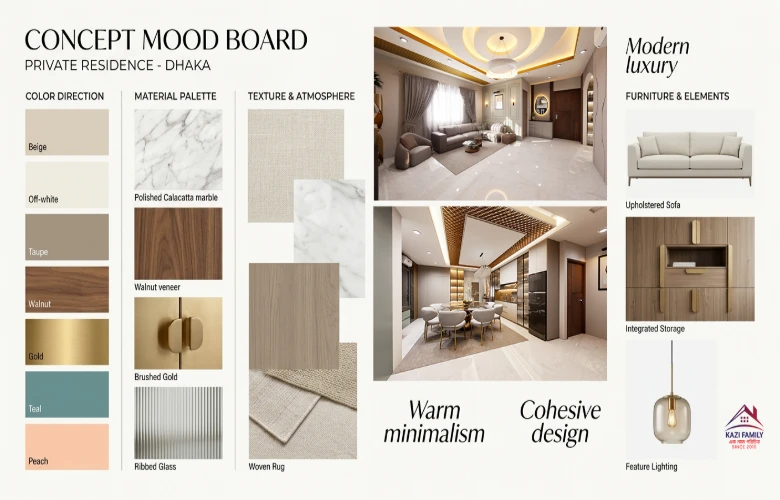
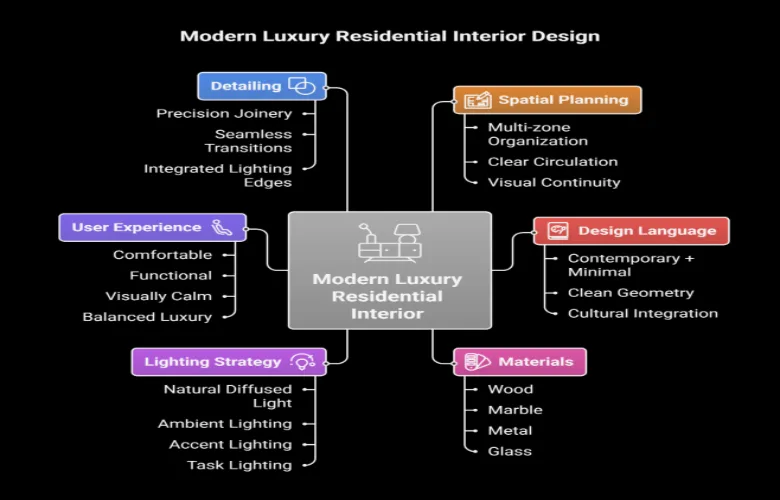
The initial intent behind the project was to create a luxurious modern residence that provided a reflection of culture and functionality. The greatest challenge facing the designer was how to coordinate various spatial zones into one cohesive design concept without fragmenting them visually. Each zone needed to have it’s own unique characteristics, yet be connected in a single design vocabulary.
The focus of the design process was centered around achieving consistency using materials and lighting. Marble, wood and metal accents were strategically placed in each zone to establish continuity. Additionally, feature elements such as bed backsplashes, dining area features, and calligraphy panels were established as anchors for defining spatial orientation and directing user movement.
Care was also given to control decorative elements from becoming too dominant and overwhelming the minimalistic composition of the interior.
In terms of execution, attention was paid to detail and precision. The built-in furniture, concealed joinery and integration of all lighting solutions resulted in a clean and refined finish. During the development phase adjustments were made to the visual weight of ceiling treatments in specific areas, as well as to achieve balance when transitioning between materials.
Ultimately, this residential interior has been resolved as a successful representation of luxury, comfort and cultural expression within a comprehensive spatial framework.
Find quick answers about our interior design, architecture, construction, and 3D visualization services in Dhaka.
Talk directly with our team we respond within 1 hour during office hours.
A modern apartment interior should balance space, functionality, comfort, storage, lighting, and visual simplicity. The layout should be developed around the residents’ lifestyle and the actual dimensions of the apartment rather than applying the same design to every home.
Effective space planning can improve an apartment by organizing furniture, circulation, storage, and functional zones more efficiently. Built-in storage, multifunctional furniture, vertical elements, and an uncluttered layout can help increase usable space while keeping the interior comfortable.
Space planning begins by studying the floor plan, room dimensions, natural light, circulation, furniture requirements, storage needs, and the residents’ daily activities. These factors are then used to create practical layouts for living, dining, bedrooms, kitchen, and other areas of the home.
Storage can be incorporated through wardrobes, built-in cabinets, wall-mounted units, TV consoles, kitchen storage, shelves, and other customized furniture. Integrating storage with the overall design helps reduce clutter while maintaining a clean and cohesive appearance.
Lighting influences both the functionality and atmosphere of a home. A residential lighting plan can combine general lighting, task lighting, accent lighting, and natural light to create comfortable spaces while highlighting important architectural and interior features.
Material selection should consider durability, maintenance, appearance, budget, availability, and suitability for Bangladesh’s climate. Materials for furniture, flooring, walls, ceilings, kitchens, and other areas should be selected according to the specific function and expected daily use.
Yes. A home interior can be planned around the family’s daily routines, storage habits, preferred style, number of occupants, work requirements, and future needs. This allows the design to be both visually consistent and practical for everyday living.
3D visualization helps homeowners understand the proposed design, materials, colors, furniture, lighting, and overall appearance before execution. Working drawings then translate the approved concept into technical information needed for construction, furniture production, electrical work, ceiling details, and other site requirements.
A residential project generally starts with consultation and site measurement, followed by space planning and concept development. After reviewing the design through 3D visualization, working drawings and BOQ or cost planning can be prepared before execution, site supervision, quality control, and final handover.
Kazi Family
Since 2010, a Dhaka-based interior and architectural firm with 873+ completed projects across Bangladesh. We specialize in residential, commercial, and hospitality spaces, delivering end-to-end design and execution solutions.